

Tummy Tuck in Turkey 2026: Procedure, Costs, Recovery, and How to Choose a Clinic
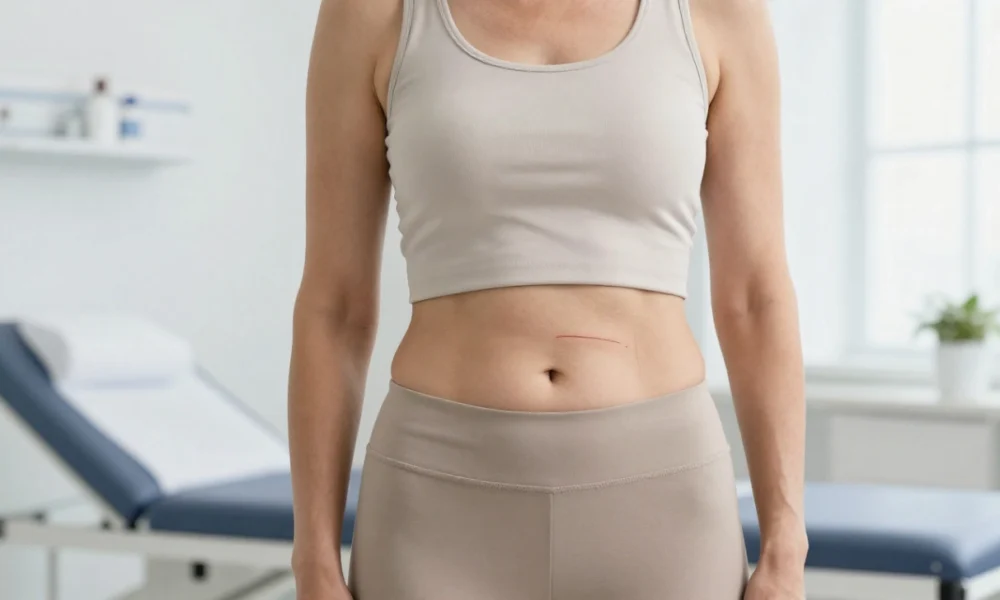
A tummy tuck, medically known as abdominoplasty, is a significant surgical procedure designed to reshape and contour the abdominal area. It involves the removal of excess skin and fat, and the tightening of underlying muscles to create a firmer, smoother profile. For many considering this transformative surgery, Turkey has emerged as a leading global destination. This guide provides a detailed, factual overview of what to expect when planning a tummy tuck in Turkey, covering the procedure itself, current costs, recovery, and crucial safety considerations for 2026.
Table Of Content
- What is a Tummy Tuck? Understanding the Procedure
- Types of Tummy Tuck Surgery
- The Surgical Process Step-by-Step
- Why is Turkey a Leading Destination for a Tummy Tuck?
- Experienced Surgeons and Accredited Facilities
- Comprehensive All-Inclusive Packages
- Significant Cost Savings
- Detailed Look at Tummy Tuck Costs in Turkey (2026)
- Factors Influencing the Final Price
- What to Look for in a Package
- Tummy Tuck Risks and Safety Considerations
- Common and Potential Complications
- How to Minimize Your Risks
- Recovery Timeline: What to Expect After Your Surgery
- Immediate Post-Op and Hospital Stay (Days 1-3)
- The First Two Weeks: Rest and Limited Mobility (Weeks 1-2)
- Returning to Light Activity (Weeks 3-6)
- Long-Term Healing and Final Results (6 Weeks to 1 Year)
- How to Choose a Clinic and Surgeon in Turkey
- Conclusio
What is a Tummy Tuck? Understanding the Procedure
A tummy tuck is a body contouring operation, not a weight-loss solution. It is best suited for individuals close to their ideal weight who are bothered by loose skin, stubborn fat deposits, or weakened abdominal muscles that do not respond to diet and exercise. Common reasons for seeking the surgery include post-pregnancy changes or significant weight loss, which can leave the abdomen with excess skin and separated muscles (a condition known as diastasis recti) .
Types of Tummy Tuck Surgery
The specific technique used will depend on the extent of correction needed and will be determined during your consultation with a surgeon. The main types include:
- Full Tummy Tuck: This is the most common procedure. It involves a horizontal incision made low on the abdomen, from hip to hip, and another incision around the navel to free it from surrounding skin. The surgeon tightens the abdominal muscles, removes excess skin and fat, and then repositions the belly button for a natural look .
- Mini Tummy Tuck: A less invasive option for those with excess skin and fat primarily below the belly button. It involves a shorter incision and does not usually require repositioning the navel. Muscle tightening, if needed, is limited to the lower abdomen.
- Extended Tummy Tuck: This more extensive procedure addresses the abdomen as well as the flanks (love handles) and sometimes the lower back, making it a common choice for patients who have undergone massive weight loss.
The Surgical Process Step-by-Step
- Consultation and Planning: Before any travel, you will have a detailed consultation (often via video call) with your chosen surgeon. You will discuss your medical history andgoals, and the surgeon will evaluate your abdominal wall to recommend the most appropriate technique. Realistic expectations are set during this phase.
- Anesthesia: Abdominoplasty is typically performed under general anesthesia, meaning you will be asleep and comfortable throughout the procedure, which generally lasts 2 to 5 hours, depending on complexity.
- The Operation: The surgeon makes the predetermined incision(s). Excess skin and fat are removed, and the abdominal muscles are tightened with sutures. If a full tummy tuck is performed, the belly button is repositioned
- Closing the Incisions: The incisions are carefully closed with sutures. Surgical drains may be placed temporarily under the skin to remove excess fluid and prevent complications like seroma . A compression garment is applied to support the new contours and minimize swelling.
Why is Turkey a Leading Destination for a Tummy Tuck?
Turkey has become a hub for medical tourism, particularly for cosmetic surgery, attracting over a million medical tourists annually . This popularity is driven by a combination of factors that offer significant advantages to international patients.
Experienced Surgeons and Accredited Facilities
Turkish plastic surgeons are often highly trained, with many holding international certifications and memberships in prestigious organizations like the International Society of Aesthetic Plastic Surgery (ISAPS). The country boasts numerous modern, JCI (Joint Commission International)-accredited hospitals and clinics, particularly in major cities like Istanbul, Ankara, and Antalya. This accreditation is a global gold standard for quality and patient safety in healthcare.
Comprehensive All-Inclusive Packages
To cater to international patients, most Turkish clinics offer all-inclusive packages designed to provide a stress-free experience. These packages typically include:
- Airport pickup and private transfers.
- Multi-night stays at partner hotels (often 4- or 5-star)
- All pre-operative tests (bloodwork, ECG) .
- Surgeon, anesthesia, and operating room fees .
- Post-operative medications, compression garments, and follow-up consultations.
- A dedicated patient coordinator who provides translation and 24/7 support
Significant Cost Savings
The most well-known advantage is the cost. Prices for a tummy tuck in Turkey are substantially lower than in many Western countries, primarily due to lower operational and labor costs and a favorable economic climate for medical tourism.The table below provides a general cost comparison:
| Location | Typical Price Range for Tummy Tuck (Procedure Only) | Typical Price Range for All-Inclusive Package |
|---|---|---|
| Turkey | $3,000 – $8,000 USD | $3,500 – $6,500 USD |
| United Kingdom | £7,000 – £15,000 GBP (~$8,800 – $18,900 USD) | £5,500 – £10,000 GBP (~$6,900 – $12,600 USD) |
| United States | $8,000 – $18,000 USD | $8,000 – $15,000 USD |
Note: Prices are estimates as of early 2026 and can vary based on clinic, surgeon, and case complexity. Package prices in Turkey often include accommodation and transfers, making the overall savings even more significant .
Detailed Look at Tummy Tuck Costs in Turkey (2026)
The final cost of your tummy tuck in Turkey will depend on several factors. Understanding these can help you interpret the quotes you receive from different clinics.
Factors Influencing the Final Price
- Type of Procedure: A mini tummy tuck is less complex and therefore less expensive than a full or extended tummy tuck .
- Surgeon’s Expertise: Highly experienced, board-certified surgeons with a strong reputation may command higher fees .
- Hospital and Facility Standards: Procedures performed in JCI-accredited, state-of-the-art hospitals typically cost more than those in smaller, non-accredited clinics .
- Combined Procedures: If you combine your tummy tuck with liposuction or other body contouring procedures, the overall cost will increase, but it may be more cost-effective than having them separately.
- Geographic Location: Istanbul, as the primary medical hub, may have slightly higher prices compared to cities like Antalya or Izmir, though this is not always the case
What to Look for in a Package
When comparing costs, always scrutinize what is included. A reputable clinic will provide a transparent breakdown. Ensure the package explicitly covers the surgeon’s fee, anesthesia, hospital stay, post-operative garments, medications, and all follow-up appointments. Inclusions like airport transfers and hotel accommodation are standard in comprehensive packages and add significant value.ue
Tummy Tuck Risks and Safety Considerations
Like any major surgery, a tummy tuck carries potential risks. Being fully informed is a critical step in the process. Choosing a qualified surgeon and adhering to their instructions is the most effective way to minimize these risks .
Common and Potential Complications
Potential complications can be categorized into common side effects and more serious, though less frequent, risks.
Common Post-Operative Side Effects:
- Swelling, bruising, and pain or discomfort around the surgical site.
- Temporary numbness or changes in skin sensation in the abdominal area
- A scar that will fade over time but will never disappear completely .
Serious but Less Common Risks:
- Infection: Signs include increasing redness, swelling, discharge, or fever .
- Blood Clots (Deep Vein Thrombosis): A serious risk where clots form in the legs, which can be life-threatening if they travel to the lungs.
- Seroma: A buildup of fluid under the skin that may need to be drained
- Poor Wound Healing or Skin Necrosis: Can lead to open wounds or skin death, more common in smokers.
- Bleeding or Hematoma: Accumulation of blood at the surgical site
- Anesthesia Risks: Allergic reactions or other complications related to general anesthesia .
How to Minimize Your Risks
- Choose a Board-Certified Surgeon: Verify your surgeon’s credentials and look for hospital affiliations .
- Be Honest About Your Medical History: Disclose all medications, supplements, and health conditions to your surgeon .
- Quit Smoking: Smoking significantly impairs healing and increases the risk of complications. You must stop well in advance of surgery .
- Follow Pre- and Post-Operative Instructions: This includes fasting before surgery, wearing compression garments, and attending all follow-up appointments.
Recovery Timeline: What to Expect After Your Surgery
Recovery from a tummy tuck is a gradual process. Understanding the timeline will help you prepare for your trip and your return home.
Immediate Post-Op and Hospital Stay (Days 1-3)
You will wake up with a compression garment in place and possibly surgical drains. You will be encouraged to take short, gentle walks to promote circulation and prevent blood clots. Pain, swelling, and discomfort are managed with medication. You will likely stay in the hospital for 1 to 3 nights for monitoring .
The First Two Weeks: Rest and Limited Mobility (Weeks 1-2)
After discharge, you will continue your recovery at a hotel. Swelling and bruising are at their peak, and you will need to rest. You must wear your compression garment as directed. You may find it difficult to stand fully upright at first, which is normal. Stitches and drains are typically removed within the first 7-14 days .
Returning to Light Activity (Weeks 3-6)
By week three or four, many patients feel well enough to resume light daily activities and return to sedentary work. Swelling will have significantly decreased. However, you must continue to avoid strenuous activities, heavy lifting, and intense exercise. Most patients can return to driving around this time, once they are no longer taking narcotic pain medication and can perform an emergency stop comfortably .
Long-Term Healing and Final Results (6 Weeks to 1 Year)
By 6 to 8 weeks, most patients are cleared to gradually resume all normal activities and exercise . While you will see a major improvement, some swelling can persist for several months. Your scars will continue to mature, often appearing redder or raised for the first 3-6 months before gradually flattening and fading . Thefinal results of your surgery, with fully matured scars, will be evident around 6 to 12 months after the procedure .
How to Choose a Clinic and Surgeon in Turkey
Selecting the right surgeon and clinic is the most important decision you will make. Prioritize safety and quality above all else.
- Verify Credentials: Look for surgeons who are board-certified and members of international bodies like ISAPS. Check if the hospital or clinic has JCI or ISO accreditation .
- Review Before-and-After Photos: A reputable surgeon will have a portfolio of previous patients with similar body types to yours. This gives you a realistic idea of their aesthetic style and capabilities .
- Read Independent Patient Reviews: Look for reviews on third-party platforms like Trustpilot, RealSelf, or medical tourism forums to get unbiased patient perspectives .
- Have a irtual Consultation: A thorough consultation is a must. The surgeon should take the time to understand your goals, explain the procedure in detail, and discuss risks openly. This is also your chance to assess their communication skills and ensure you feel comfortable .
- Get a Detailed, Itemized Quote: Ensure you receive a written quote that clearly states everything that is and is not included in the price to avoid any hidden costs .
Conclusio
A tummy tuck in Turkey offers a compelling combination of high-quality surgical expertise, state-of-the-art facilities, and significant cost savings. By choosing a board-certified surgeon and an accredited clinic, you can access world-class care. The key to a successful outcome lies in thorough research, asking the right questions, and having realistic expectations about the procedure, its risks, and the recovery process. With careful planning, patients can achieve their desired aesthetic goals and benefit from a positive, well-organized medical tourism experience.