

Types of CBD Concentrates: A Complete Guide to Forms, Potency, and Usage
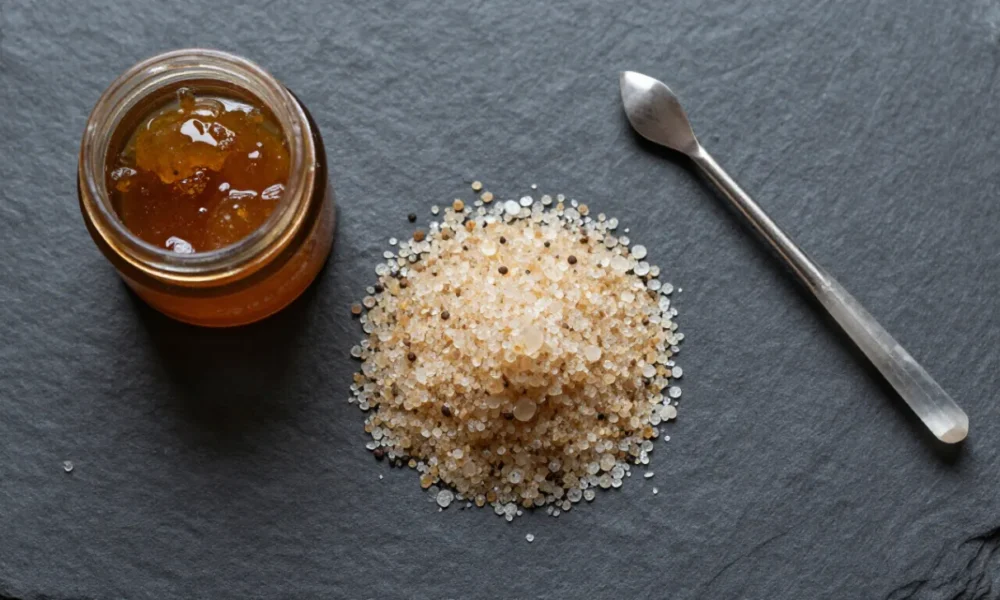
CBD concentrates have become a significant category in the hemp market, offering higher potency than standard CBD oils and edibles. These concentrated forms contain elevated levels of cannabidiol achieved through specialized extraction processes that remove plant material while preserving target compounds.
Table Of Content
- What Are CBD Concentrates?
- Main Categories of CBD Concentrates
- CBD Isolate
- Full-Spectrum CBD Concentrates
- Broad-Spectrum CBD Concentrates
- Physical Forms of CBD Concentrates
- CBD Shatter
- CBD Wax
- CBD Live Resin
- CBD Crumble
- Extraction Methods and Their Impact
- CO2 Extraction
- Ethanol Extraction
- Hydrocarbon Extraction
- How to Choose the Right CBD Concentrate
- Experience Level Considerations
- Consumption Method Compatibility
- Desired Effects and Experience
- Safety and Quality Considerations
- Third-Party Testing
- Solvent Residue Concerns
- Storage Requirements
- Purchasing Sources
- Summary
Understanding the different types of CBD concentrates helps consumers select products aligned with their experience level, desired effects, and preferred consumption methods. This guide covers the main concentrate categories, from pure isolates to full-spectrum extracts, and explains how each form is made and used.
What Are CBD Concentrates?
CBD concentrates are products created by extracting cannabidiol and other beneficial compounds from hemp plant material, resulting in a substance with significantly higher CBD content than raw flower or standard oils. Concentrates typically range from 40% to 90+% CBD by weight, compared to CBD oils that commonly contain 5% to 20% CBD.
The extraction process determines the final composition of the concentrate. Manufacturers use various methods, including CO2 extraction, ethanol extraction, and hydrocarbon extraction, each producing different consistencies and purity profiles.
After initial extraction, additional processing steps such as winterization (removing fats and waxes) and decarboxylation (activating cannabinoids) may be applied depending on the desired end product.
Main Categories of CBD Concentrates
CBD concentrates fall into three primary categories based on their cannabinoid and terpene profiles: isolates, full-spectrum extracts, and broad-spectrum extracts. Within these categories, various physical forms exist.
CBD Isolate
CBD isolate represents the purest form of cannabidiol available commercially. Through rigorous extraction and refinement processes, manufacturers remove all plant compounds except CBD, resulting in a crystalline powder or solid that typically tests at 99% or higher CBD purity.
Characteristics:
- No detectable THC, other cannabinoids, terpenes, or flavonoids
- Flavorless and odorless
- White or off-white crystalline appearance
- Long shelf life when stored properly
Ideal Applications: CBD isolate works well for individuals who must avoid THC entirely due to workplace testing or personal preference. Its neutral taste makes it easy to incorporate into food and beverages without altering flavor profiles. Many people use isolate to create homemade CBD products such as topicals, edibles, or customized tinctures by dissolving the powder in carrier oils.
Usage Methods:
- Sublingual administration by placing powder under the tongue
- Mixing into foods or drinks
- Adding to carrier oils for topical applications
- Incorporation into vaporizer blends (when appropriately formulated)
Full-Spectrum CBD Concentrates
Full-spectrum CBD concentrates contain the complete chemical profile of the original hemp plant. These products include CBD, trace cannabinoids (CBG, CBN, CBC), terpenes, flavonoids, and fatty acids. Importantly, they contain up to 0.3% THC by dry weight, the federally legal limit for hemp-derived products.
The Entourage Effect: The combination of multiple cannabis compounds in full-spectrum products produces what researchers call the entourage effect—a theoretical synergy where cannabinoids and terpenes work together to enhance each other’s therapeutic potential. Some studies suggest that full-spectrum extracts may offer greater benefits than isolated CBD for certain conditions, though research continues to evolve.
Characteristics:
- Darker color than isolates due to retained plant compounds
- Distinct hemp aroma from preserved terpenes
- Viscosity ranging from thick oil to waxy textures
- Potency typically ranges from 50% to 80% CBD
Usage Methods:
- Sublingual drops (when formulated as tinctures)
- Vaporization using compatible devices
- Oral ingestion in capsules or edibles
- Dabbing for experienced users (higher potency forms)
Broad-Spectrum CBD Concentrates
Broad-spectrum concentrates occupy the middle ground between isolates and full-spectrum products. These extracts contain multiple cannabinoids and terpenes but undergo additional processing to remove THC completely.
Characteristics:
- Retains beneficial compounds except THC
- Milder flavor than full-spectrum due to partial terpene retention
- Available in various consistencies, including oils, waxes, and powders
- Potency typically ranges from 60% to 85% CBD
Broad-spectrum products appeal to consumers seeking the potential benefits of multiple cannabinoids while maintaining zero-THC assurance. This category has grown as manufacturers develop better methods for THC removal while preserving other compounds.
Physical Forms of CBD Concentrates
Beyond the chemical profile categories, CBD concentrates also vary by physical consistency and texture. These forms result from specific extraction and processing techniques.
CBD Shatter
CBD shatter is a stable, glass-like concentrate with high clarity and a solid consistency at room temperature. When broken, it shatters into pieces—hence the name. Shatter is produced through hydrocarbon extraction followed by careful purging that preserves the product’s translucent appearance.
| Property | Description |
|---|---|
| Appearance | Transparent, amber-colored solid |
| Texture | Hard, glass-like, breaks easily |
| Potency | 80% to 90% CBD |
| Primary Use | Dabbing, vaporization |
Shatter contains CBD primarily with minimal terpenes, resulting in little to no flavor. Its high potency makes it suitable for experienced users familiar with concentrated forms.
CBD Wax
CBD wax has an opaque, waxy consistency created by agitating the extract during processing. The agitation introduces air and causes the product to take on a buttery or waxy texture. Wax typically retains more terpenes than shatter, resulting in a stronger aroma and flavor.
Common Wax Textures:
- Budder: Smooth, buttery consistency, easy to handle
- Crumble: Drier texture that breaks apart easily
- Honeycomb: Porous, airy structure
Wax potencies generally range from 60% to 80% CBD, making them slightly less concentrated than shatter but still significantly stronger than standard CBD products.
CBD Live Resin
Live resin differs from other concentrates because it uses fresh, flash-frozen hemp plants rather than dried and cured material. This preservation method captures a broader spectrum of terpenes, resulting in more pronounced flavor and aroma profiles.
Characteristics:
- Made from fresh-frozen plants
- Higher terpene content than other concentrates
- Strong hemp aroma and flavor
- Typically 50% to 75% CBD with significant terpenes
Live resin appeals to users who prioritize flavor and the potential entourage effects of a fuller terpene profile. It can be produced asa ull-spectrum or a broad-spectrum depending on post-processing steps.
CBD Crumble
CBD crumble is a dry, porous concentrate with a texture similar to feta cheese or crumbled brown sugar. It results from specific extraction and purging techniques that remove most moisture and solvent residue while preserving cannabinoids.
Properties:
- Easy to handle and portion
- Less sticky than wax or budder
- Good for precise dosing
- Potency typically 70% to 85% CBD
Crumble works well for dabbing and can also be crumbled onto flower for smoking or vaporization.
Extraction Methods and Their Impact
The method used to extract CBD from hemp significantly influences the final concentrate’s purity, potency, and composition.
CO2 Extraction
Supercritical CO2 extraction uses pressurized carbon dioxide to separate cannabinoids and terpenes from plant material. This method allows precise control over which compounds are extracted by adjusting temperature and pressure.
Advantages:
- No solvent residue when properly executed
- Precise control over extraction parameters
- Environmentally friendly
- Produces clean, pure concentrates
Considerations:
- Requires expensive equipment
- Higher operational costs
- May require additional processing for specific consistencies
Ethanol Extraction
Ethanol extraction uses food-grade alcohol as a solvent to strip cannabinoids from hemp. The ethanol is later evaporated, leaving a concentrated extract. This method is common for large-scale production.
Advantages:
- Efficient at scale
- Lower equipment costs than CO2
- Effectively extracts a wide range of compounds
Considerations:
- May extract chlorophyll (affecting taste)
- Requires thorough purging to remove solvent
- Additional winterization is often needed
Hydrocarbon Extraction
Hydrocarbon extraction uses butane, propane, or blends as solvents. This method is preferred for producing specific consistencies like shatter and live resin because hydrocarbons preserve terpenes particularly well.
Advantages:
- Excellent terpene preservation
- Produces specific desired consistencies
- Efficient extraction
Considerations:
- Requires specialized safety equipment
- Flammable solvents demand strict protocols
- Must ensure complete solvent removal
How to Choose the Right CBD Concentrate
Selecting among concentrate types depends on several personal factors.
Experience Level Considerations
Beginners should start with lower-potency options or standard CBD oils before transitioning to concentrates. CBD isolate, or broad-spectrum oils at 40% to 50% potenc,y providan e introduction without overwhelming effects. Beginners should avoid shatter and high-potency wax until they understand their tolerance.
Intermediate users comfortable with standard CBD products can explore wax, crumble, and live resin. These offer higher potency while maintaining some terpene benefits.
Experienced users familiar with concentrated forms may prefer shatter, high-potency wax, or specialized extracts. These users typically understand their optimal dosage and have appropriate consumption equipment.
Consumption Method Compatibility
Each concentrate type works best with specific consumption methods:
| Concentrate Type | Recommended Methods | Equipment Needed |
|---|---|---|
| Isolate powder | Oral, sublingual, topical | None for oral use; mixing supplies for topicals |
| Wax/Crumble | Dabbing, vaporization | Dab rig or vaporizer with a concentrate chamber |
| Shatter | Dabbing | Dab rig with nail or e-nail |
| Live resin | Dabbing, vaporization | Compatible vaporizer or dab rig |
Desired Effects and Experience
Users seeking purely CBD effects without additional compounds should choose isolate or broad-spectrum products. Those interested in the entourage effect and full hemp experience should select full-spectrum concentrates. Flavor-focused users may prefer live resin or terpene-rich wax.
Safety and Quality Considerations
CBD concentrates require careful selection to ensure safety and effectiveness.
Third-Party Testing
Reputable manufacturers provide Certificates of Analysis (COAs) from independent laboratories. These documents verify:
- CBD potency matches labeled amounts
- THC content within legal limits (for full-spectrum)
- Absence of contaminants (pesticides, heavy metals, solvents)
- No harmful microorganisms present
Solvent Residue Concerns
Concentrates produced with solvents must undergo thorough purging to remove residual chemicals. Testing results should show solvents below action limits set by regulatory bodies. CO2-extracted products generally carry lower solvent risk but should still be tested.
Storage Requirements
CBD concentrates require proper storage to maintain potency and prevent degradation:
- Store in airtight containers away from light
- Keep at cool, stable temperatures (refrigeration for some consistencies)
- Avoid moisture exposure
- Label with purchase date and potency
Purchasing Sources
CBD concentrates should only be purchased from licensed dispensaries in regulated markets or reputable online retailers that provide current third-party test results and clear product information.
Summary
The range of CBD concentrate types allows consumers to select products matching their preferences, experience level, and desired effects. Isolates provide pure CBD with no other compounds. Full-spectrum concentrates deliver the complete hemp profile, including trace THC. Broad-spectrum options offer multiple cannabinoids without THC.
Physical forms, including shatter, wax, crumble, and live resin, provide varying textures, potencies, and flavor profiles determined by extraction methods and processing techniques.
When selecting CBD concentrates, consider your experience level, intended consumption method, and desired effects. Always verify product quality through third-party test results and purchase from established sources. As with any CBD product, consulting a healthcare professional before use helps ensure appropriate choices for individual health circumstances.