

The Ultimate Cleaning Order: A Room-by-Room Guide for 2026
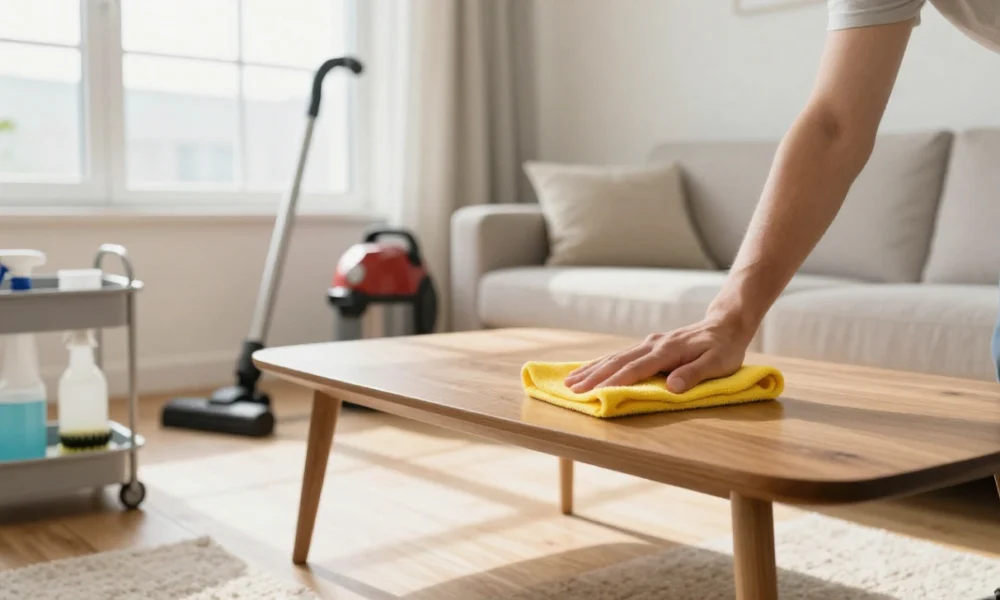
Knowing the right order to clean your house can save you hours of work. Many people clean their homes without a plan, which leads to wasted time and energy. Have you ever swept the floor only to dust afterward? Or cleaned your kitchen counters before tackling greasy stovetops? These common mistakes force you to clean the same areas twice.
Table Of Content
Following a smart cleaning order makes your work more efficient. You will get better results with less effort when you know exactly what to do first, second, and last. This guide shows you the best order to clean your house. We have analyzed expert methods and current professional techniques to find what truly works for busy people.
Why Cleaning Order Matters
The sequence of your cleaning tasks affects both how long you spend cleaning and the quality of your results. A strategic order means you will never need to redo any area. Cleaning experts suggest that working from top to bottom uses gravity to your advantage. Dust and dirt naturally fall downward, so cleaning floors last makes perfect sense.
Task order also keeps you organized, efficient, and focused. Starting with the most used rooms ensures you tackle the dirtiest areas while your energy is highest. This approach helps you maintain momentum throughout the cleaning process. Many cleaning professionals recommend completing one room fully before moving to the next . This strategy gives you a sense of progress and helps prevent feeling overwhelmed.
Another critical principle is working from dry cleaning (dusting) to wet cleaning (mopping). This prevents you from creating mud by mixing dust with water, which saves significant cleanup time . Following a consistent direction, such as left to right or clockwise, also helps ensure you don’t miss any spots .
Setting Yourself Up for Success
Before you start cleaning, proper preparation makes everything easier. Taking a few minutes to get ready will save you hours later on.
1. Gather All Your Supplies First
Collect all your cleaning tools and products before you begin. Running around looking for supplies wastes valuable time and breaks your cleaning momentum. A cleaning caddy helps keep everything organized and portable. Stock it with your most-used items so you can move from room to room without stopping.
Essential supplies for 2026 should include:
- Microfiber cloths (8-12 for rotation)
- All-purpose cleaner
- Glass cleaner
- Disinfectant for high-touch areas
- Degreaser for kitchen buildup
- Scrub brushes in multiple sizes, including an old toothbrush for tight corners
- A quality vacuum with a HEPA filter and attachments
- A mop suitable for your specific flooring type (flat microfiber mops are often the best balance of speed and control)
Having everything ready means no interruptions during your cleaning flow. Check that you have enough of each product to finish the job to avoid frustration.
2. Declutter Before You Clean
Remove items that do not belong in each room first. Cleaning around clutter is inefficient and prevents thorough cleaning. Take a basket and go through each room, picking up items that belong elsewhere. Return each item to its proper place before moving on to actual cleaning
Clear surfaces make dusting and wiping much faster. You will be able to clean in broad strokes instead of working around objects. This pre-cleaning step might seem like extra work, but it dramatically speeds up the entire cleaning process. Think of decluttering as clearing the path for efficient cleaning.
3. Open Windows for Ventilation
Let fresh air circulate through your home while cleaning. This improves air quality and helps cleaning products dry faster. Good ventilation reduces chemical fumes from cleaning products, making the cleaning experience more pleasant and healthier for you. Fresh air also helps newly cleaned areas dry more quickly, especially in bathrooms and kitchens where moisture can linger.
The Step-by-Step Cleaning Order
Now lett us break down exactly what order you should clean your house. This sequence is based on professional cleaning techniques and practical experience.
1. Start with Time-Consuming Tasks (Pretreating)
Begin with tasks that require soaking time, or that can run while you clean other areas. This maximizes your efficiency through multitasking. This strategy, often called “pretreating,” is a huge factor in cleaning efficiency
Run the dishwasher first so it can work while you clean elsewhere. Start a load of laundry early in your routine. Apply oven cleaner if needed, as these products need time to break down grease and grime . You can come back to wipe the oven later. Pour toilet cleaner into bowls to begin working on stains and bacteria . pray cleaning solutions on soap scum in the shower or grease on the stovetop. Allowing these cleaning agents 15 to 20 minutes to work means the muck will be much easier to remove later.
2. Clean from Top to Bottom
This fundamental principle follows gravity. Dust and debris fall downward, so starting high prevents you from having to clean surfaces twice. Begin with ceiling fans, light fixtures, and cobwebs in ceiling corners. Use an extendable duster to reach these high areas without straining. Next, move to high shelves and wall decorations. Work your way downward, cleaning picture frames, wall art, and upper cabinets. Then clean furniture surfaces and countertops. Finally, tackle the floors as the last step in each room to ensure all dust and debris that fell during earlier cleaning will be removed.
3. Start at the Back of the House
When cleaning the whole house, a top professional tip is to start at the far end of the house and work towards the front. This simple method ensures you are not walking through and potentially dirtying areas you have just cleaned. It also helps make a large cleaning project feel more digestible, as you move forward with a sense of accomplishment from each completed space .
4. Tackle Wet Areas: Bathroom and Kitchen
Bathrooms and kitchens typically need the most attention and the strongest cleaning products. Tackling these challenging areas first makes sense while your energy is highest. Within each room, follow a specific sequence.
Bathroom Cleaning Order: Begin with the shower and bathtub, as these often need the most time for products to work. Spray cleaner and let it sit while you clean other bathroom areas. Remove rubbish and swap out used towels. Dust high areas like vents and light fittings. Clean mirrors and glass surfaces next. Wipe down sinks, countertops, and faucets. Disinfect high-touch areas like doorknobs, light switches, and faucet handles. Return to the toilet last. Scrub the bowl, then clean the seat, tank, and exterior surfaces, working from top to bottom. Finish by vacuuming edges and mopping the floor, working your way out the door .
Kitchen Cleaning Order S: Start by clearing the sink and starting dishes or loading the dishwasher. Spray degreaser on the stovetop and all-purpose cleaner on counters to let them dwell. Empty the rubbish and replace the liner. Dust from top to bottom, including the tops of the fridge and cabinets. Wipe down high-touch zones like fridge handles, cupboard pulls, and light switches. Clean appliances, including the microwave exterior and oven control panel. Scrub the stovetop and splashback after the dwell time. Wipe down countertops, moving small appliances to clean underneath. Clean the sink last, as it has been used throughout the process for rinsing and soaking . Finish by sweeping or vacuuming, then mopping the floors last.
5. Move to Other Rooms
After handling wet areas, proceed to other rooms in your home, working from the back to the front .
Bedroom Cleaning Order St: Start by making the bed. This is the biggest visual win and keeps dust from settling on messy bedding. Put away or start a load of laundry. Declutter surfaces using a basket for stray items. Dust from top to bottom, including ceiling fans, picture frames, and nightstands. Wipe down touchpoints like door handles and light switches. Vacuum the floor last, including under the bed if possible.
Living Room Cleaning Order: Begin by resetting the room—put items back in their place and straighten cushions. Dust high to low, starting with ceiling fans and high shelves, moving down to electronics and coffee tables. Wipe down surfaces and use a screen-safe method for TVs. If needed, do a quick vacuum of upholstery seams to remove crcrumbs Finish by vacuuming or mopping the floors.
6. Finish with Floors
Always save floor cleaning for last. This captures all the dust and debris that has fallen during your other cleaning tasks tart by vacuuming carpets and area rugs, using slow, overlapping strokes. For hard floors, sweep or vacuum first to collect dust and larger debris. Mop all hard surfaces as your final cleaning step, starting from the farthest corner and working toward the exit so you don’t walk on the wet floor. Allow floors to dry completely before walking on them.
Creating a Cleaning Schedule for 2026
For ongoing maintenance, divide tasks into different frequencies. This prevents the need for marathon cleaning sessions. As of 2026, cleaning experts emphasize proactive, consistent routines over reactive, exhausting cleaning marathons.
Daily Tasks (The “Daily Reset”)
- Air out and make your bed each morning to reduce dust mites
- Do a small load of laundry to prevent weekend overwhelm .
- Tidy up as you go, putting items away immediately after use.
- “Put your kitchen to bed” each night by washing dishes and wiping counters
- Leave shoes at the door to prevent tracking in dirt.
Weekly Tasks
- Vacuum carpets and rugs thoroughly.
- Mop floors in high-traffic areas like kitchens and entryways.
- Dust surfaces throughout your home.
- Clean bathrooms to prevent soap scum and mildew.
Monthly Tasks
- Clean inside your refrigerator, removing old food.
- Wash windows to keep natural light flowing in.
- Scrub grout in tiled areas to prevent permanent staining.
- Polish wooden furniture to protect surfaces.
Expert Tips for Efficient Cleaning
Recent advice from cleaning professionals emphasizes these additional strategies to make your cleaning even more effective in 2026.
Work Room by Room with a “Zone” Mentali… Focus on completing one room before moving to the next. However, to save time on setup, you can also batch similar tasks. For example, handle all glass in the house at once, then all dusting. This prevents constantly changing tools and products, which saves time and reduces mistakes
Embrace Low-Effort Tools. In 2026, cleaning trends are all about working smarter. Steam cleaning is gaining popularity as a chemical-free method that uses high heat to break down grease and grime, significantly reducing scrubbing effort. Smart home tools like robot vacuums and smart plugs for appliances allow for proactive, automated cleaning that maintains your home with minimal daily effort.
Follow the ‘One In, One Out’ Rule. To prevent clutter from accumulating, adopt the “one in, one out” rule. For every new item you bring into your home, discard an oldone This helps keep wardrobes and cupboards from overflowing, contributing to a cleaner and more organized home in the long run.
Final Thoughts
Following a strategic cleaning order saves time and energy while giving you better results. The right sequence prevents rework and makes the entire process more efficient. Remember that the best cleaning order flows from top to bottom, dry to wet, and tackles the most challenging rooms first. This approach works with gravity and preserves your energy for when it is most needed.
With practice, this cleaning order will become second nature. You will find yourself finishing cleaning tasks more quickly and enjoying a consistently clean home with less effort. Start with a daily reset, incorporate weekly maintenance, and use these efficient methods to transform your routine.
The information in this article about the order you should clean a house is based on common cleaning practices and expert recommendations available as of early 2026. We strive to ensure all details are accurate, but some tips may vary based on individual circumstances. If you have any updates or corrections, we welcome your feedback.