

Wall Decor Ideas 2026: How to Choose Art, Mirrors & Panels That Fit Your Space
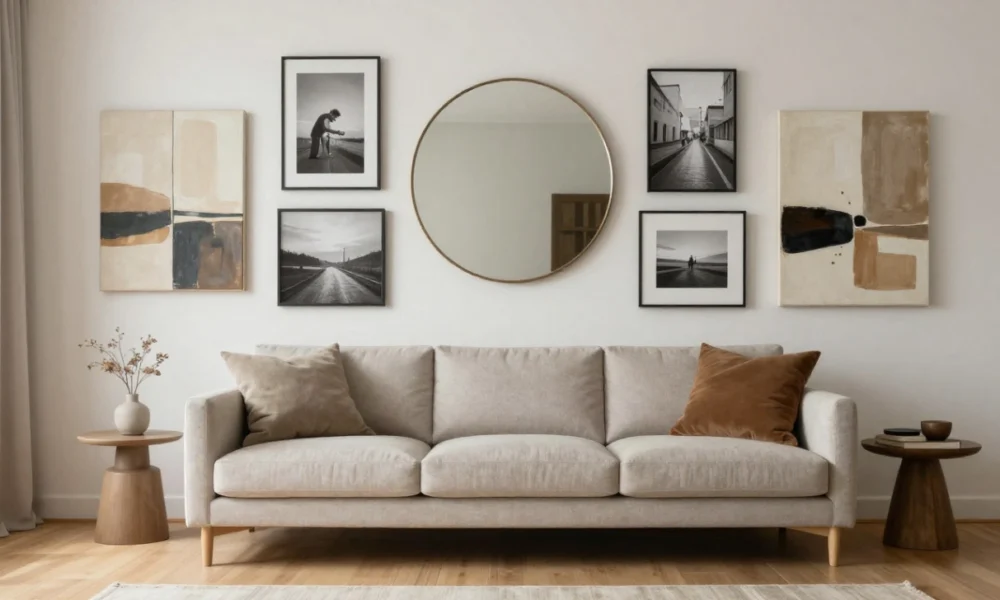
Choosing the right wall decorations remains one of the most effective ways to transform a house into a personal and inviting home. As we move through 2026, design trends emphasize bold self-expression, moving away from sterile minimalism toward spaces filled with character and meaning. Whether you are looking to redesign your living room with oversized art or open up a box bedroom with mirrored panels, understanding the fundamentals of selection and placement ensures your decor enhances the room’s ambiance rather than overwhelming it.
Table Of Content
This guide provides a practical, step-by-step approach to selecting wall decor that fits your space, reflects your style, and aligns with current trends, without relying on guesswork.
Understanding Your Space Before You Start
Before purchasing any artwork or panels, a plan of action is essential. Spontaneous decorating can lead to pieces that are the wrong scale or clash with the room’s function. Start by analyzing the space you want to enhance.
- Measure and Map: Measure your walls accurately and note their dimensions. Sketch a rough floor plan or take a photo of the room. This helps you visualize potential placements and ensures everything fits as intended
- Assess the Room’s Function and Mood: Consider the primary purpose of the room. The desired mood should guide your choices. For example, a calming landscape or soft abstract print might work well in a bedroom, while a vibrant, pattern-rich piece could energize a home office or kitchen . Ask yourself how you want to feel in the space.
- Consider Natural Light: Lighting dramatically affects how wall decor appears. Observe how natural light moves through the room at different times of the day. A piece that looks striking in the morning sun might appear flat in the evening. Acrylic and metal prints, for instance, shine under direct or gallery lighting, while canvas works well in softer, uneven light .
026 Trends: What’s Shaping Wall Decor Choices
Current search data and design forecasts reveal a clear shift toward bold, personal, and nature-inspired interiors . Integrating these themes can help your space feel current and connected.
- The Rise of Oversized Art: Blank walls are out. “Large wall art” and “oversized wall art” are among the most searched terms for 2026, indicating a strong preference for statement pieces that fill a wall with presence. A single, large-format print can anchor a room and eliminate the need for complex groupings.
- Earth Tone Colors and Natural Storytelling: There is a growing demand for grounded, warm palettes. Colors like terracotta, moss green, ochre, and warm neutrals are replacing cooler tones. Artwork featuring lush foliage, serene landscapes, or abstract compositions in these earth-inspired hues helps create a sense of connection to nature and balance in the home .
- Texture and Sensory Engagement: Visual texture is key in 2026. Trends like “Crafted Collage” and “Sensory Perception” highlight a move toward artwork that feels layered and tactile, even in print form . This can be achieved through mixed-media prints, pieces with visible brushstrokes, or the choice of physical materials like wood, metal, or fabric wall hangings .
How to Choose the Right Size and Scale
Selecting the correct size is critical. Art that is too small can get lost on a large wall, while an oversized piece can overwhelm a small room.
- General Size Guidelines:
- For a large, empty wall, a single oversized print (40–60 inches or wider) or a well-planned photo collage creates the necessary impact
- For smaller spaces or narrow hallways, consider a focused cluster of smaller pieces or a single medium-sized artwork. Panoramic prints are also an excellent choice above sofas, beds, or consoles .
- The 2/3 Rule: A useful guideline is to choose wall art that takes up about two-thirds to three-quarters of the width of the wall or the furniture it hangs above (like a sofa) .
- Visualizing with Tools: Before committing, use painter’s tape or newspaper to outline the proposed size of the artwork on the wall. This provides a real-world preview and helps confirm the scale is right . Many online retailers now offer augmented reality tools to preview art in your room digitally.
Selecting Materials and Styles That Reflect Your Taste
Once you have a clear idea of the space and scale, consider the materials and styles that will bring your creative vision to life.
- Matching Materials to Your Aesthetic:
- Modern and sleek interiors benefit from materials like HD Acrylic or ChromaLuxe HD Metal prints, which offer vibrant colors, depth, and a frameless, contemporary look.
- Rustic, farmhouse, or cozy spaces are complemented by canvas gallery wraps, which provide a softer, non-reflective, painterly texture. Wooden wall art or floating shelves can also add warmth .
- Classic or traditional rooms may call for fine art paper prints that can be matted and framed to your exact specifications .
- Personalization Through Brand Solutions: For those seeking a cohesive and customizable approach, brands like Modulari offer systems that simplify the process. They provide a range of wall decor, including sleek photo prints and mirrored shape panels, designed to blend into various design concepts from minimalist to eclectic.
- Design Flexibility: Modulari’s customizable options and online design tools allow you to experiment with different layouts and material combinations—mixing canvas, metal, and wood—before purchasing. This helps you see how arrangements will look and ensures a perfect fit for your space .
- User Experience: Customer feedback often highlights the quality of the prints and the ease of installation. The magnetic mounting system, for instance, is frequently praised for its simplicity and for eliminating the need for visible nails and traditional framing.
- Color Coordination: The colors in your wall decor should harmonize with your existing interior. You can choose tones that match for a calm, cohesive look or select contrasting colors to make a deliberate statement. Artwork can also pull accent colors from pillows, rugs, or furniture to tie the room together.
Planning Your Arrangement: Gallery Walls and Focal Points
How you arrange your decor is as important as the pieces themselves.
- Creating a Gallery Wall: For a collection of smaller pieces, a gallery wall can be highly effective. To get it right:
- Lay the pieces on the floor within a measured,taped-off area, matching your wall space to find the optimum arrangement.
- Aim for balance. Generally, visually “heavier” pieces (darker, more intense colors) should be placed lower
- Leave consistent breathing space—around 5–8 cm or several inches—between frames so they read as a cohesive group without losing their individuality .
- For a modern, collected feel, mix horizontal, vertical, and square frames.
- Using Mirrors as Decor: Mirrors are powerful tools in interior design. They reflect light, making spaces feel larger and brighter.
- Placement: An oversized mirror can act as a striking focal point in a living room, while a round mirror can add softness. Placing a mirror near a window maximizes natural light.
- Alternatives: Mirrors can also be grouped to create an alternative to a traditional art gallery wall, adding both style and function
- Hanging Height: As a standard rule, the center of a picture or arrangement should be at eye level, roughly 150–160 cm from the floor. For accessibility, the ADA recommends a maximum of 122 cm (48 inches) from the floor to the center of the item in some contexts, though for most homes, eye level is the standard guide.
Installation and Practical Considerations
Proper installation ensures your decor looks professional and stays safely on the wall.
- Use the Right Hardware: Select hooks and fixings designed to support the weight of your art. For larger or heavier pieces, use two hooks to keep them hanging straight. For plaster walls, placing a crisscross of adhesive tape over the drill point can help prevent the plaster from cracking .
- Renter-Friendly Options: For those who rent or like to change their decor frequently, consider removable adhesive strips for lightweight pieces. Leaning art against the wall on a mantel, shelf, or even the floor is another stylish and damage-free way to display it
- Flexibility: Remember, wall decor is not permanent. You can change it seasonally, update it with new trends, or refresh your space whenever the mood strikes . This flexibility allows your home to evolve with you.
By taking the time to understand your space, considering current trends as inspiration, and focusing on what feels personal to you, you can select wall decor that truly enhances your home. Whether you opt for a single, oversized statement piece or a curated gallery wall using customizable panels from a brand like Modulari, the right choices will bring personality and charm to your environment.