

What to Do Immediately After a Car Accident: Step-by-Step Guide
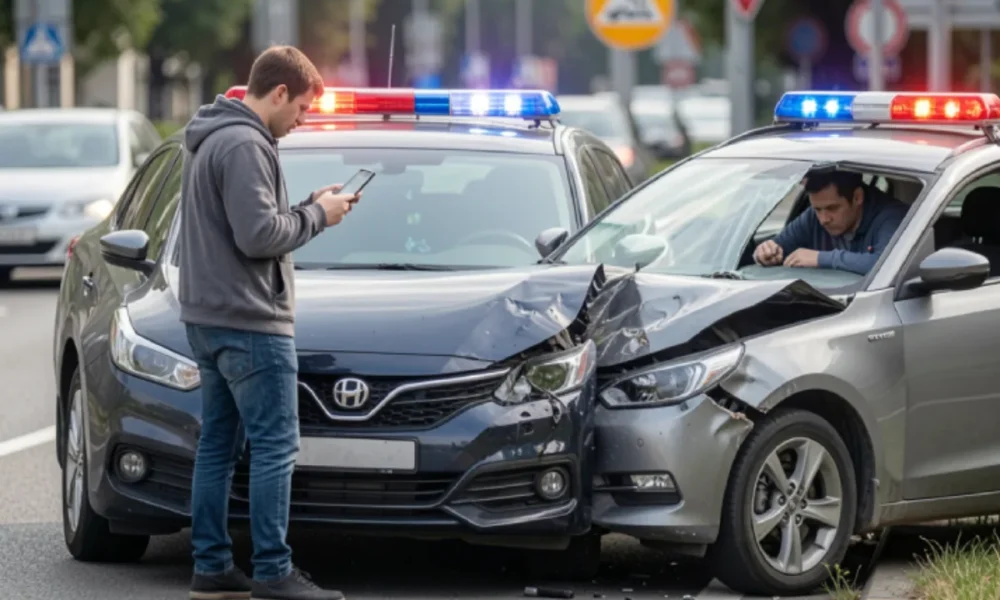
What to Do Immediately After a Car Accident? A car accident can turn a normal day into pure chaos in seconds. Your heart is racing, your thoughts are scattered, and it is easy to forget important steps. That is why having a simple plan matters.
Table Of Content
- Step 1: Stop Your Car and Stay Calm
- Step 2: Check for Injuries Right Away
- Step 3: Move to a Safer Spot If You Can
- Step 4: Call Emergency Services When Needed
- Step 5: Do Not Admit Fault at the Scene
- Step 6: Exchange Information
- Step 7: Take Photos and Video
- Step 8: Talk to Witnesses If There Are Any
- Step 9: Write Down What Happened While It Is Fresh
- Step 10: Notify Your Insurance Company Quickly
- Step 11: Get Medical Attention, Even If You Feel Fine
- Step 12: Follow Up on Repairs, Claims, and Paperwork
- Quick Checklist: What to Do Immediately After a Car Accident
- Common Mistakes to Avoid
- Leaving Too Soon
- Skipping Photos
- Admitting Blame
- Ignoring Pain
- Delaying the Insurance Report
- Final Thoughts
- FAQ
- What should I do first after a car accident?
- Should I call the police after a minor car accident?
- Do I need to take pictures after a car accident?
- How soon should I call my insurance company after a car accident?
- Should I see a doctor even if I feel okay?
If you are wondering what to do immediately after a car accident, the short answer is this: protect people first, move to safety if possible, call for help when needed, document everything, and start the claims process as soon as you can.
This guide breaks it down step by step so you know exactly what to do next.
Step 1: Stop Your Car and Stay Calm
The first thing to do after any accident is stop your vehicle and take a breath. Even a small fender bender can feel intense, but panicking makes it harder to think clearly.
Turn off the engine if needed, put the car in park, and switch on your hazard lights. Try to stay as calm as possible before making your next move.
Step 2: Check for Injuries Right Away
Before thinking about damage, check yourself and everyone in your car for injuries. Ask passengers if they are okay. If anyone seems badly hurt, unconscious, dizzy, or in serious pain, call 911 immediately.
Even if injuries seem minor, do not ignore them. Some pain and symptoms show up later, especially after the adrenaline wears off.
Step 3: Move to a Safer Spot If You Can
If the accident is minor and the car can still be driven, move it out of traffic to a safer location nearby, like the shoulder, a parking lot, or a side street. If moving the vehicle would be dangerous, stay put and wait for emergency help.
Safety comes before everything else. The goal is to reduce the risk of another collision.
Step 4: Call Emergency Services When Needed
Call 911 if:
- Anyone is injured
- The cars are badly damaged
- The accident is blocking traffic
- A driver seems impaired
- The scene feels unsafe or tense
Even when the crash seems small, it can still be smart to contact local law enforcement, especially if there is visible damage or a dispute about what happened.
Step 5: Do Not Admit Fault at the Scene
This is a big one. Be polite, but do not apologize in a way that sounds like you are accepting blame. Right after an accident, you usually do not know the full picture.
Keep your words simple and factual. You can ask if the other person is okay, but avoid statements like:
- “It was all my fault”
- “I did not see you”
- “I was going too fast”
Let the insurance companies and investigators sort out responsibility later.
Step 6: Exchange Information
You need to collect the right details before anyone leaves the scene.
Get this information from the other driver:
- Full name
- Phone number
- Address
- Driver’s license number
- License plate number
- Insurance company name
- Insurance policy number
- Vehicle make, model, and color
Also write down the time, date, and exact location of the accident.
Step 7: Take Photos and Video
Your phone is one of your best tools after a crash. Take clear photos and short videos of everything while the scene is fresh.
Capture:
- Damage to all vehicles
- License plates
- The road and traffic signs
- Skid marks or debris
- Weather and lighting conditions
- The position of the vehicles
- Any visible injuries
This evidence can help if there is a dispute later or if damage looks worse after inspection.
Step 8: Talk to Witnesses If There Are Any
If anyone saw the accident happen, ask for their name and contact information. A neutral witness can make a big difference if the story changes later.
Keep it simple. You are not interviewing them for a documentary. Just collect the basics so your insurance company can follow up if needed.
Step 9: Write Down What Happened While It Is Fresh
Memory fades fast after a stressful event. Open your notes app and write down your version of what happened as soon as you can.
Include details like:
- Which direction you were driving
- What the traffic light was doing
- Approximate speed
- What you saw just before impact
- What the other car did
Short, factual notes are enough.
Step 10: Notify Your Insurance Company Quickly
Contact your insurance company as soon as possible after the accident. The claims process usually goes smoother when you report the crash early and provide photos, notes, and the other driver’s information.
When you call, stick to facts. Share what happened, when it happened, and what documentation you have.
Step 11: Get Medical Attention, Even If You Feel Fine
Not every injury shows up right away. Neck pain, back pain, headaches, and soreness can take hours or even a day or two to fully appear.
If something feels off, get checked. If you later need treatment, having medical records can also help connect the injury to the accident.
Step 12: Follow Up on Repairs, Claims, and Paperwork
After the scene is cleared, your job is not fully done. Keep all accident-related documents organized in one place.
That includes:
- Claim numbers
- Repair estimates
- Medical records
- Rental car receipts
- Tow invoices
- Police report information if available
A simple folder on your phone or laptop can save you a huge headache later.
Quick Checklist: What to Do Immediately After a Car Accident
If you want the short version, here it is:
- Stop the car and turn on hazard lights.
- Check for injuries.
- Move to safety if possible.
- Call 911 if needed.
- Stay calm and do not admit fault.
- Exchange contact and insurance information.
- Take photos and video.
- Get witness contact details.
- Write down what happened.
- Report the accident to your insurer.
- Get medical care if needed.
- Save all paperwork and receipts.
Common Mistakes to Avoid
A lot of people make small mistakes after a crash that create bigger problems later. Try to avoid these:
Leaving Too Soon
Do not drive away before exchanging information or making sure everyone is safe.
Skipping Photos
You may think you will remember everything, but visual proof matters.
Admitting Blame
Even casual words can be misunderstood later.
Ignoring Pain
Symptoms can show up after the shock wears off.
Delaying the Insurance Report
Waiting too long can complicate the claim process.
Final Thoughts
Knowing what to do immediately after a car accident can help you stay calm, protect your health, and avoid extra stress later. In the moment, focus on safety first, then information, then follow-up.
You do not need to do everything perfectly. You just need to take the right next step, one at a time.
FAQ
What should I do first after a car accident?
Check for injuries first, then move to a safer location if possible and call for help if anyone is hurt or the scene is unsafe.
Should I call the police after a minor car accident?
It can still be a smart idea, especially if there is damage, disagreement, or uncertainty about what happened. Rules can vary by location.
Do I need to take pictures after a car accident?
Yes. Photos and video can help document damage, road conditions, vehicle positions, and other details that may matter later.
How soon should I call my insurance company after a car accident?
As soon as reasonably possible. Prompt reporting can help the claims process move more smoothly.
Should I see a doctor even if I feel okay?
If you have pain, dizziness, headaches, or anything that feels unusual, get checked. Some injuries do not show up right away.