

How to Deep Clean a Dusty Room: Complete Guide
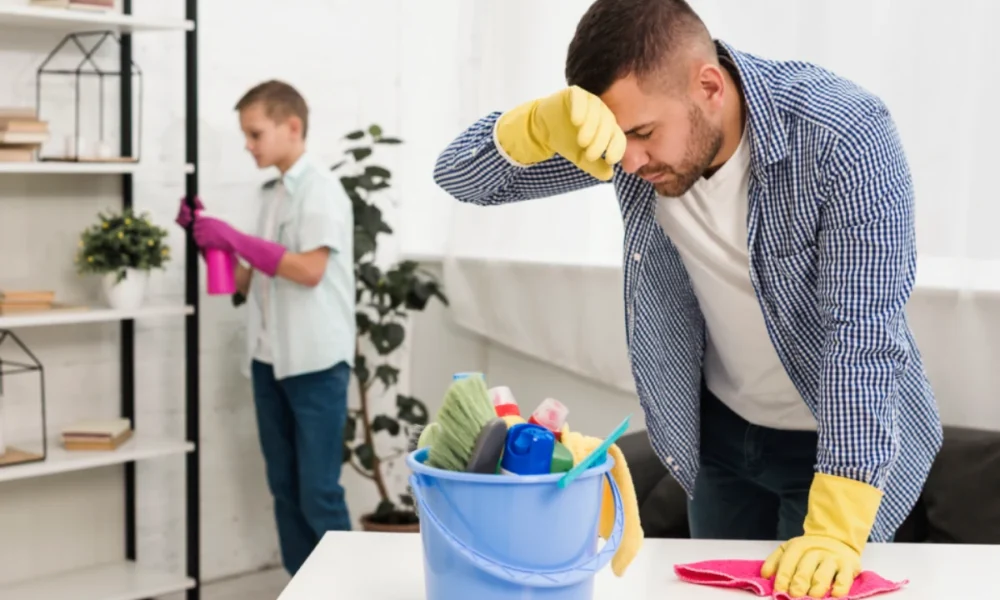
How to Deep Clean a Dusty Room Like that dust accumulates faster than you think, affecting your home’s appearance and your health. Whether you’re tackling spring cleaning or addressing allergy concerns, the right approach makes all the difference. This guide walks you through systematic methods for eliminating dust effectively and keeping it away longer.
Prepare Before You Clean
Success starts with proper preparation. Remove items from surfaces to access hidden dust underneath. Sort belongings into keep, donate, and trash piles. Less clutter means fewer surfaces collecting dust and easier maintenance going forward.
You need the right tools for truly clean results. HEPA-filter vacuums capture microscopic particles that regular vacuums recirculate into the air. Microfiber cloths attract and hold dust instead of pushing it around. Electrostatic dusters reach ceiling corners and behind furniture where dust accumulates heavily.
For cleaning solutions, mix equal parts white vinegar and water in a spray bottle. Add a few drops of lemon essential oil if you want a fresh scent. This combination cuts through dust buildup without harsh chemicals that can irritate airways.
Advanced tools like steam cleaners eliminate allergens and bacteria while loosening embedded dust. UV sterilizers work well for mattresses and upholstery. Investing in quality supplies saves time and delivers better results.
Master Dusting Techniques
The way you dust determines how quickly it returns. Always start at the highest point in each room—ceiling fans, light fixtures, and top shelves—then work downward. Dust falls as you clean, so this top-to-bottom approach prevents re-dusting areas you’ve already finished.
Move either clockwise or counterclockwise around each room. This methodical pattern ensures you don’t miss spots or accidentally re-contaminate cleaned surfaces. Consistency helps you track progress efficiently.
Dampen microfiber cloths slightly before use. The moisture helps trap particles rather than scatter them. Fold cloths into quarters to maximize cleaning surface area, then refold to expose a clean section when one side becomes dirty. This technique extends each cloth’s effectiveness without constant rinsing.
For stubborn dust on electronics or delicate items, use a soft-bristled brush to loosen particles first, then wipe with a barely damp cloth. Never spray liquid directly onto electronics.
Floor and Surface Care
Floors collect more dust than any other surface in your home. Vacuum thoroughly using attachments for hard-to-reach areas. Pay extra attention to corners, under furniture, and along baseboards where dust accumulates quickly.
For hard floors, steam mops kill germs while lifting embedded dust that regular mopping misses. The hot steam breaks down sticky residue and sanitizes simultaneously. Run the steam mop over each section twice for best results.
Clean baseboards with a microfiber cloth wrapped around a flat-head mop or broom handle. This prevents back strain while collecting surprising amounts of dust from this overlooked area. Wipe in long, smooth strokes for efficiency.
Bedroom-Specific Solutions
Bedrooms deserve special attention since you spend roughly eight hours there daily. Vacuum your mattress thoroughly using upholstery attachments to remove accumulated dust mites and dead skin cells. Do this every three months at minimum.
Wash all bedding in hot water, including duvets, shams, and dust ruffles. High temperatures kill dust mites that trigger allergies. If items can’t tolerate hot water, add them to the dryer on high heat for 20 minutes before washing.
Don’t overlook wardrobes and dressers. Vacuum drawer interiors and wipe closet shelves with a damp cloth. This prevents dust from transferring back onto clean clothes and keeps the entire room fresher.
Manage Air Quality
Clean air keeps dust levels down between deep cleaning sessions. HEPA air purifiers capture airborne particles including dust mites, pollen, and pet dander before they settle on surfaces. Place units in bedrooms and main living areas for maximum impact.
Check air vents throughout your home and vacuum away visible dust. Replace HVAC filters every three months, or monthly during high-use seasons. Clean filters prevent dust recirculation and improve system efficiency.
After cleaning, open windows for 15-30 minutes if outdoor air quality permits. Fresh air circulation helps remove lingering dust particles suspended in the air.
Modern Cleaning Solutions
Today’s cleaning technology makes dust control more effective than ever. Robotic vacuums handle daily maintenance between your deep cleaning sessions. Many models detect heavily soiled areas and adjust their cleaning patterns automatically.
Anti-static sprays applied to surfaces after cleaning help repel dust particles. These products work especially well on electronics, blinds, and furniture that attract static electricity.
Eco-friendly cleaning products provide effective results without harsh chemicals. Vinegar-based cleaners work well for most surfaces. Activated charcoal filters in air purifiers absorb odors while trapping dust particles.
Pro Tips for Lasting Results
Expert strategies extend your clean room’s freshness. For textured surfaces like grout, use baking soda paste and a toothbrush to remove embedded dust. Let the paste sit for five minutes before scrubbing.
Wipe high-touch areas like light switches, door handles, and remote controls daily with disinfecting wipes. These spots collect dust and germs quickly.
Schedule deep cleaning sessions quarterly to prevent excessive buildup. Consistent maintenance makes each session faster and less intensive. Mark your calendar to stay on track.
For persistent dust problems despite your best efforts, professional cleaning services offer industrial-grade equipment and specialized techniques. They can address stubborn issues in HVAC systems, ductwork, or hard-to-reach areas.
Conclusion
Deep cleaning a dusty room requires planning, proper techniques, and quality tools. Start with thorough preparation, dust from top to bottom, and pay special attention to floors and hidden areas. Focus on bedrooms where you spend significant time, and maintain good air quality with filters and purifiers.
Modern cleaning solutions and expert strategies enhance your results and extend cleanliness between sessions. Regular quarterly maintenance prevents excessive buildup, making each deep clean easier than the last. With these approaches, you’ll create a healthier living space with significantly less dust.