

Professional Landscaping Services: Design, Build, and Maintain Your Ideal Outdoor Space
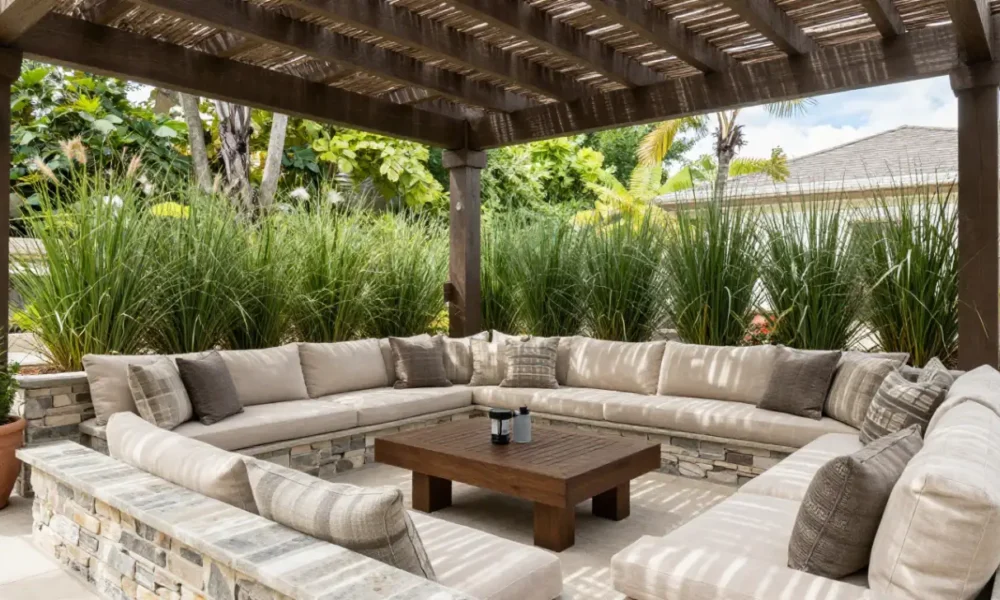
Investing in professional landscaping services is one of the most effective ways to enhance the beauty, functionality, and value of your property. Whether you envision a tranquil garden retreat, a vibrant space for entertaining, or a low-maintenance, eco-friendly yard, a well-executed landscape design can transform your outdoor area into a seamless extension of your home. This guide explores the essential components of professional landscaping, from initial planning and plant selection to hardscaping, lighting, and ongoing maintenance, helping you understand how to create an outdoor space you’ll love.
Table Of Content
- Understanding the Fundamentals of Landscape Design
- Planning Your Vision and Assessing Your Space
- The Core Principles of Design
- Core Components of Professional Landscaping Services
- Softscaping: Plant Selection and Installation
- Hardscaping: Structural and Functional Elements
- Landscape Lighting: Extending Usability and Enhancing Safety
- Budgeting and Planning Your Landscaping Project
- Estimating the Return on Investment
- Approaches to Managing Costs
- Affordable Ideas to Enhance Your Space
- Seasonal and Ongoing Maintenance
- The Importance of a Maintenance Plan
- Key Tasks for a Healthy Landscape
- Conclusion
Understanding the Fundamentals of Landscape Design
Before breaking ground on any project, it’s crucial to understand the core principles that guide professional landscape design. A successful landscape is not just a collection of plants and features; it’s a cohesive, planned environment.
Planning Your Vision and Assessing Your Space
The first and most important step in any landscaping project is thorough planning. Start by defining how you want to use your outdoor space. Do you need a safe area for children and pets to play? Are you hoping to create an outdoor kitchen and dining area for hosting gatherings? Or is your primary goal to establish a peaceful, low-maintenance sanctuary?
Once you have a clear vision, conduct a detailed assessment of your property. Consider factors like:
- Sun and shade patterns throughout the day.
- Soil type and drainage.
- Existing vegetation and topography.
- Views you want to enhance or obscure.
- Local climate and microclimates within your yard.
A professional landscaping service can help you navigate these considerations, creating a master plan that balances your desires with the practical realities of your site.
The Core Principles of Design
Professional designers use several key principles to create landscapes that are both beautiful and functional:
- Unity and Harmony: Repeating elements like plants, materials, or colors to create a cohesive feel.
- Balance: Achieving visual equilibrium, either through symmetrical arrangements or the careful placement of asymmetrical elements.
- Proportion and Scale: Ensuring the size of plants and hardscape features relates harmoniously to your house and the overall property.
- Simplicity and Variety: Avoiding clutter while incorporating enough diversity to maintain visual interest.
- Rhythm and Line: Using pathways, plant beds, and structural elements to guide the eye and create a sense of movement through the space.
Core Components of Professional Landscaping Services
Professional landscaping encompasses a wide range of specialties. Understanding these categories can help you communicate your needs effectively and choose the right services for your project.
Softscaping: Plant Selection and Installation
Softscaping refers to the living elements of your landscape—the plants. Choosing the right plants is critical for long-term success and sustainability.
- Selecting Suitable Plants: A key principle of modern landscaping is choosing plants that are well-suited to your local climate and soil conditions. This approach, often called “right plant, right place,” reduces the need for excessive water, fertilizers, and pesticides.
- Native and Adapted Species: Incorporating native plants supports local ecosystems and attracts beneficial pollinators like butterflies and birds. These species are naturally adapted to local rainfall and temperature extremes, making them hardier and more drought-tolerant.
- Creating a Four-Season Landscape: A well-designed landscape provides visual interest throughout the year. This involves layering plants with different bloom times, vibrant fall foliage, interesting bark textures for winter, and evergreens for consistent color and structure.
Hardscaping: Structural and Functional Elements
Hardscaping comprises the non-living, structural elements of your landscape. These features provide functionality, define spaces, and add architectural interest.
- Patios, Decks, and Walkways: These create foundational spaces for movement and gathering. Materials range from classic flagstone and brick to modern concrete pavers and composite decking.
- Retaining Walls: Essential for managing slopes and preventing soil erosion, retaining walls can also create tiered planting areas and add visual depth.
- Outdoor Living Structures: Features like pergolas, arbors, and gazebos provide shade, define outdoor “rooms,” and can support climbing plants.
- Water Features: From simple birdbaths and bubbling urns to elaborate ponds and waterfalls, water features add a powerful sensory element of sight and sound, creating a focal point for relaxation.
Landscape Lighting: Extending Usability and Enhancing Safety
Strategic outdoor lighting is an essential component of modern landscape design. It extends the hours you can enjoy your yard, improves safety and security, and highlights your home’s best architectural and landscape features.
- Pathway Lighting: Illuminates walkways and steps to prevent trips and falls.
- Accent Lighting: Used to spotlight specimen trees, sculptures, or unique architectural details.
- Grazing and Washing: Techniques that highlight the texture of walls or the bark of trees.
- Deck and Patio Lighting: Creates a warm, inviting ambiance for evening dining and relaxation.
- Smart and Eco-Friendly Options: Many professionals now offer energy-efficient LED systems and solar-powered lights, which are both cost-effective and environmentally friendly.
Budgeting and Planning Your Landscaping Project
Understanding the costs and timeline involved is crucial for a successful landscaping project. While a professional landscape is an investment that yields significant returns, there are ways to approach it strategically.
Estimating the Return on Investment
A thoughtfully designed and well-maintained landscape is one of the best investments you can make in your home. Curb appeal significantly impacts a buyer’s first impression, and functional outdoor living spaces are highly sought-after features. While the exact return can vary, landscaping projects are consistently ranked among the top home improvements for recouping costs at resale.
Approaches to Managing Costs
For those with budget considerations, a phased approach is an excellent strategy.
- Start with a Master Plan: Work with a designer to create a comprehensive master plan for your entire property. This gives you a long-term vision and a roadmap.
- Phase the Work: Implement the plan in stages over several seasons or years. You might start with foundational hardscaping like a patio and walkways, add key plantings the following year, and install a water feature or outdoor lighting in year three. This allows you to spread out the cost while ensuring that each phase fits into a cohesive overall design.
Affordable Ideas to Enhance Your Space
Even on a smaller budget, there are impactful ways to refresh your landscape. The table below outlines several budget-conscious ideas to get started.
| Idea | Description |
|---|---|
| Freshen up with paint | Give fences, sheds, or other structures a fresh coat of paint for an instant facelift. Choose colors that complement your home’s exterior. |
| Create cozy seating areas. | Repurpose old furniture or find affordable pieces at thrift stores. Add new cushions and throw pillows for comfort and style. |
| Plant a garden | Start a garden from seeds or small plants. Consider incorporating edible options like herbs, vegetables, or berry bushes. |
| Add lighting | String lights or solar-powered lanterns can create a warm, inviting atmosphere for evening enjoyment. |
| Build a DIY fire pit. | A simple DIY fire pit can be a great gathering spot. Use retaining wall blocks or a metal fire ring on a bed of gravel. |
| Create paths or borders. | Define garden beds and pathways with inexpensive materials like mulch, gravel, or recycled brick. |
| Incorporate upcycled elements | Get creative by repurposing items like old wooden pallets for vertical planters or wine bottles for garden edging. |
Seasonal and Ongoing Maintenance
A beautiful landscape requires ongoing care. Establishing a consistent maintenance routine is key to protecting your investment and ensuring your outdoor space continues to thrive.
The Importance of a Maintenance Plan
A well-designed landscape can quickly become overgrown and unkempt without regular attention. A professional maintenance plan ensures that plants remain healthy, hardscape features stay in good repair, and the overall design intent is preserved.
Key Tasks for a Healthy Landscape
A comprehensive maintenance plan typically includes a schedule for the following tasks:
- Pruning and Trimming: Proper pruning maintains plant health, encourages flowering, and controls size and shape.
- Weeding and Mulching: Regular weeding prevents unwanted plants from competing with your ornamentals. Applying fresh mulch helps retain soil moisture, suppresses weeds, and gives beds a clean, finished look.
- Fertilization and Soil Care: Plants need nutrients to thrive. A soil test can determine specific needs, and a professional can apply the right fertilizers at the right time.
- Irrigation Management: Regularly checking and adjusting your sprinkler or drip system ensures plants receive the right amount of water without waste.
- Lawn Care: This includes mowing at the correct height, aerating, dethatching, and overseeding to maintain a thick, healthy lawn.
- Seasonal Cleanups: Removing leaves in the fall and clearing out dead plant material in the spring helps prevent disease and prepares the landscape for the coming season.
Conclusion
Transforming your outdoor space with professional landscaping services is a rewarding journey that enhances your daily life and adds lasting value to your home. By understanding the key principles of design, the distinct roles of softscaping and hardscaping, and the importance of strategic planning and maintenance, you can make informed decisions that lead to a beautiful, functional, and sustainable landscape. Whether you tackle it in phases or all at once, the result will be a personal oasis that you, your family, and your friends can enjoy for years to come.