

Cheap Tattoo Removal: Cost-Saving Options and Safe Practices
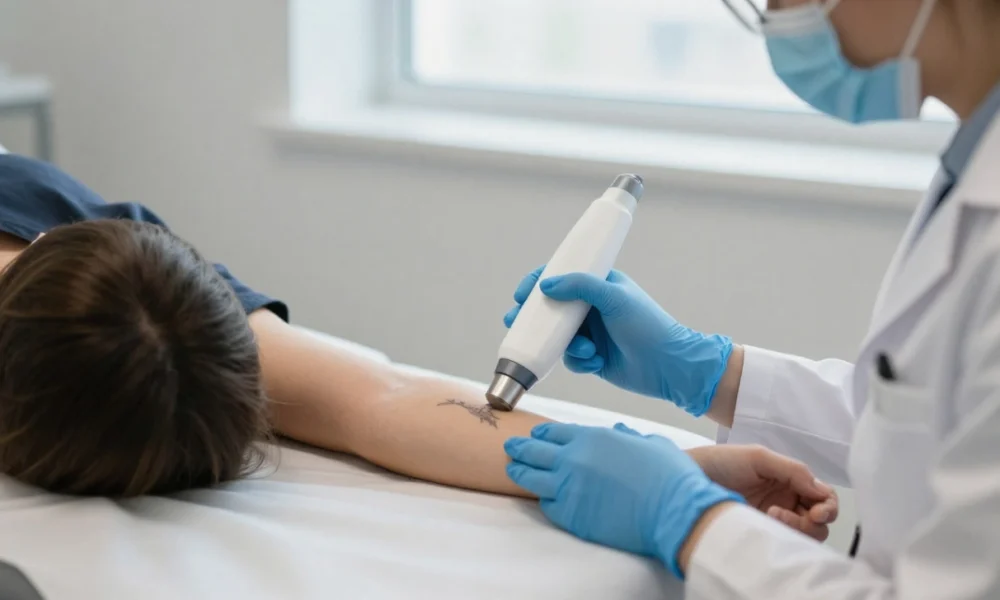
Tattoo regret is common, but the cost of erasing unwanted ink can be a significant barrier. While professional removal requires an investment, affordable options exist for those seeking cheap tattoo removal solutions. This guide explains the factors that determine pricing, compares budget-friendly methods, and provides actionable steps to find safe, low-cost treatment without compromising results.
Table Of Content
- Understanding the Tattoo Removal Process
- How Tattoo Removal Works
- Factors That Determine Tattoo Removal Cost
- Tattoo Size and Ink Density
- Ink Color Complexity
- Number of Sessions Required
- Provider Location and Expertise
- Affordable Tattoo Removal Methods Compared
- Laser Tattoo Removal
- Surgical Excision
- Over-the-Counter Topical Creams and At-Home Devices
- Natural Remedies and Home-Based Techniques
- How to Find Safe and Affordable Tattoo Removal Clinics
- Search Strategically
- Verify Provider Credentials
- Ask About Pricing Models
- Consider Teaching Clinics
- Safe Tattoo Removal Practices
- Selecting a Licensed Professional
- Following Post-Treatment Care Instructions
- Preparing Mentally and Logistically for Removal
- Setting Realistic Timelines
- Planning Your Budget
- Maintaining Patience
Understanding the Tattoo Removal Process
Tattoo removal is the process of eliminating or significantly fading permanent ink from the skin. The effectiveness and cost of removal depend largely on the method used, the characteristics of the tattoo, and the expertise of the provider. Understanding these variables helps set realistic expectations about the time and money required.
How Tattoo Removal Works
Most modern removal methods work by targeting the ink particles trapped in the dermis layer of the skin. The body’s immune system then gradually flushes away the fragmented particles. This biological process takes time, which is why complete removal almost always requires multiple treatment sessions spaced several weeks apart.
Factors That Determine Tattoo Removal Cost
The final price tag for removal varies widely based on several interconnected factors. Knowing these elements allows you to estimate costs accurately and identify potential savings.
Tattoo Size and Ink Density
Larger tattoos require more surface area to treat, directly increasing per-session costs. Similarly, tattoos with dense, heavy ink application—common in traditional or bold-line styles—need more energy and sessions to break down compared to lightly applied ink. Small, fine-line tattoos are generally the least expensive to remove.
Ink Color Complexity
Professional laser removal uses specific wavelengths of light to target different ink colors. Black ink is the easiest and cheapest to treat because it absorbs all laser wavelengths. Brighter colors like green, blue, and yellow require specialized lasers or multiple wavelengths, which can increase the complexity and cost of each session.
Number of Sessions Required
Complete removal typically requires 6 to 12 sessions, though some tattoos may need more. Factors influencing this include:
- Tattoo age: Older tattoos have often already faded somewhat and may require fewer sessions.
- Ink quality: Professionally applied, high-quality ink can be more resistant to breakdown.
- Skin type: Certain skin tones respond differently to laser treatment, potentially affecting the number of sessions needed.
- Tattoo location: Tattoos on extremities like hands and feet may fade more slowly due to reduced blood flow.
Provider Location and Expertise
Geographic location plays a major role in pricing. Clinics in major metropolitan areas typically charge higher rates to cover overhead costs. However, the experience of the practitioner also affects price. Board-certified dermatologists or experienced laser specialists may charge more than general practitioners, but their expertise can reduce the risk of complications like scarring or pigment changes.
Affordable Tattoo Removal Methods Compared
Several removal pathways exist at different price points. Each method carries its own balance of cost, effectiveness, and risk.
Laser Tattoo Removal
Laser removal remains the most common and effective method for significant fading or complete removal. It is considered the gold standard by medical professionals.
Cost range: $200 to $500 per session is typical, though promotional pricing or package deals can lower the per-session cost. Some clinics offer discounts for purchasing multiple sessions upfront.
Considerations: While not the cheapest upfront option, laser removal often provides the most predictable results, potentially saving money in the long run by avoiding ineffective treatments.
Surgical Excision
Surgical removal involves cutting out the tattooed skin and stitching the remaining skin closed. This method is best suited for small tattoos.
Cost range: Often exceeds $1,000 per procedure.
Considerations: This is a one-time procedure that removes the tattoo immediately, but it guarantees a scar. It is generally more expensive and invasive than laser treatment.
Over-the-Counter Topical Creams and At-Home Devices
Numerous products claim to fade or remove tattoos from home, including bleaching creams, exfoliating scrubs, and low-level light devices.
Cost range: $20 to $200 for creams and kits.
Considerations: Dermatologists generally do not recommend these methods. There is limited clinical evidence supporting their effectiveness for complete removal. Improper use of at-home laser devices can cause burns, scarring, or permanent skin damage. These are best viewed as potential fading aids rather than true removal solutions.
Natural Remedies and Home-Based Techniques
Methods like saltwater soaks, lemon juice applications, or manual exfoliation are sometimes discussed in online forums as cheap tattoo removal techniques.
Cost range: Minimal, often using household items.
Considerations: These methods carry significant risks, including skin infection, severe irritation, and scarring. They do not penetrate deeply enough to reach dermal ink particles and are unlikely to produce noticeable fading.
How to Find Safe and Affordable Tattoo Removal Clinics
Finding a low-cost provider requires research, but safety should never be compromised for savings. Use these strategies to identify reputable clinics offering competitive rates.
Search Strategically
Begin by searching for terms like “tattoo removal near me” or “affordable laser tattoo removal.” Review the websites of local dermatology offices, plastic surgery centers, and specialized tattoo removal clinics. Many display pricing guides or special offers.
Verify Provider Credentials
Ensure the person performing the removal is a licensed medical professional. Ideal providers include:
- Board-certified dermatologists
- Licensed physicians
- Registered nurses under physician supervision
- Certified laser technicians working in a medical setting
Check online reviews and before-and-after photo galleries to assess the quality of their work. Look for patterns in reviews regarding pain management, cleanliness, and customer service.
Ask About Pricing Models
When consulting clinics, ask specific questions about their pricing structure:
- Is pricing per session or per pulse?
- Are package discounts available for multiple sessions?
- Do they offer payment plans or financing?
- Are there discounts for treating multiple tattoos in one visit?
Some clinics run periodic promotions, especially during slower seasons, which can significantly reduce costs.
Consider Teaching Clinics
Some medical training programs or laser schools offer supervised treatments at reduced rates. These services are typically performed by students under the close guidance of experienced instructors. While appointments may take longer, the cost savings can be substantial.
Safe Tattoo Removal Practices
Prioritizing safety during removal protects your skin health and prevents costly complications like infections or permanent scarring.
Selecting a Licensed Professional
Choose a provider with specific training in tattoo removal techniques. Dermatologists and cosmetic surgeons understand skin anatomy and healing processes, reducing the likelihood of adverse outcomes. Verify their license through state medical boards if necessary.
Following Post-Treatment Care Instructions
Proper aftercare directly impacts healing and final results. Common instructions include:
- Sun protection: Keep treated areas covered and use broad-spectrum sunscreen to prevent hyperpigmentation.
- Wound care: Clean the area gently and apply prescribed antibiotic ointments to prevent infection.
- Avoid picking: Allow blisters or scabs to heal naturally without interference.
- Moisturize: Use recommended creams to keep skin hydrated during healing.
Adhering to these guidelines supports optimal healing and helps achieve the best possible outcome from your investment.
Preparing Mentally and Logistically for Removal
The tattoo removal journey requires patience and commitment. Preparing in advance helps manage expectations and reduces stress throughout the process.
Setting Realistic Timelines
Complete removal is rarely quick. Sessions are typically spaced 6 to 8 weeks apart to allow the body time to process fragmented ink. This means a full course of treatment can span a year or more. Some tattoos may lighten significantly but never disappear completely, leaving a faint shadow or outline.
Planning Your Budget
Map out the expected number of sessions and total cost before starting. If paying per session, create a savings plan to ensure you can complete the full treatment series without interruption. Some clinics offer financing through third-party healthcare credit companies.
Maintaining Patience
Visible fading occurs gradually. Early sessions may show subtle changes, with more dramatic results appearing after several treatments. Documenting progress with photos can help maintain motivation. Communicate openly with your provider about concerns or questions that arise during the process.