

The Complete Guide to Chamber Vacuum Sealers for Sous Vide and Beyond
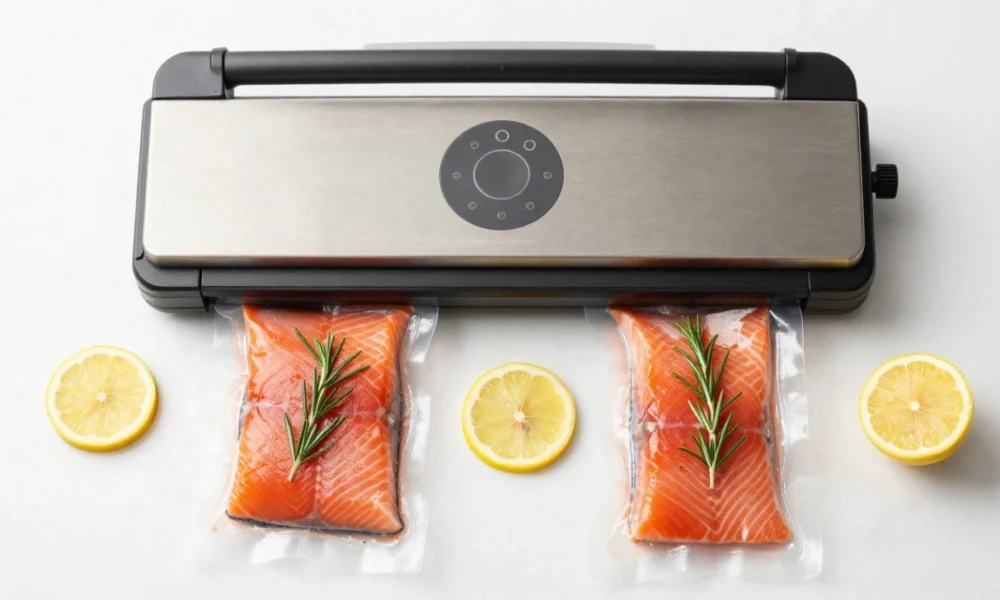
Sous vide cooking, a technique once exclusive to professional kitchens, has become accessible to home cooks worldwide due to its ability to deliver consistently outstanding results. At the core of this method lies precise temperature control, requiring little more than a water bath, an immersion circulator, and one critical piece of equipment: a chamber vacuum sealer. Unlike standard suction sealers, chamber models handle liquids effortlessly, preserve nutrients longer, and open doors to advanced culinary techniques.
Table Of Content
- Why Choose a Chamber Vacuum Sealer for Sous Vide?
- Superior Air Removal and Seal Integrity
- Flavor Enhancement
- Handling Liquids Without Mess
- Chamber Vacuum Sealer vs. External Vacuum Sealer: Key Differences
- How Chamber Vacuum Sealers Work
- Choosing the Best Chamber Vacuum Sealer for Your Kitchen
- Size and Capacity
- ower and Speed
- Costruction and Durability
- Ease of Use
- Notable Models (Based on Reported Use)
- Step-by-Step Guide to Sous Vide with a Chamber Vacuum Sealer
- 1. Selecting the Right Bags
- 2. Preparing Ingredients
- 3. Sealing the Bag
- 4. Cooking Sous Vide
- 5. Post-Cooking Handling
- Pro Tips
- Maintenance and Troubleshooting
- Routine Maintenance
- Common Issues and Fixes
- Creative Culinary Applications Beyond Sous Vide
- Quick Marinating and Pickling
- ood Preservation and Storage
- Flaor Infusion
- Compression
- Protecting Non-Food Items
- Educational and Community Applications
- Frequently Asked Questions
- Can I vacuum seal liquids with a chamber sealer?
- Are chamber vacuum sealers worth the cost for home use?
- How long do chamber vacuum sealers last?
- Can I use any vacuum bag with a chamber sealer?
- Do I need special bags for sous vide?
- Conclusion
Why Choose a Chamber Vacuum Sealer for Sous Vide?
A chamber vacuum sealer is essential for sous vide because it addresses the limitations of external suction sealers. Its unique design ensures reliable performance with moist foods and marinades.
Superior Air Removal and Seal Integrity
Chamber sealers extract air from the entire chamber—not just the bag—creating uniform pressure that keeps liquids and juices inside the bag during sealing. This prevents floating bags in the water bath, which can lead to uneven cooking. The resulting seal is watertight and durable, capable of withstanding prolonged immersion at precise temperatures .
Flavor Enhancement
By removing nearly all oxygen (up to 99.5% air removal), flavors and marinades penetrate deeper into ingredients . This vacuum infusion accelerates marination, transforming tough cuts into tender meals in minutes rather than hours
Handling Liquids Without Mess
External vacuum sealers struggle with moisture because they suction air directly from the bag opening, often pulling liquids into the sealing mechanism. Chamber sealers avoid this entirely because the bag remains open inside the chamber until after the vacuum cycle completes. Soups, stews, marinades, and even delicate fruits seal cleanly every time.
Chamber Vacuum Sealer vs. External Vacuum Sealer: Key Differences
Understanding the operational differences helps clarify why chamber vacuum sealers are the preferred choice for serious sous vide enthusiasts and professionals .
| Feature | Chamber Vacuum Sealer | External Vacuum Sealer |
|---|---|---|
| Vacuum Method | Air removed from the tire chamber | Air is sucked directly from the bag opening |
| Liquid Handling | Seals liquids effortlessly | Not suitable; liquids damage the pump |
| Vacuum Level | 3–8 mb (near-complete vacuum) | ~130 mb (partial vacuum) |
| Bag Type | Smooth, economical PA/PE bags | Embossed/textured bags required |
| Durability | Oil-lubricated pumps; continuous duty | Air-cooled; requires cooldown breaks |
| Cycle Speed | Fast; multiple bags per cycle | Slower; single bag typically |
| Best For | Liquids, bulk prep, professional use | Dry foods, occasional home use |
Chamber sealers offer better vacuum performance, longer shelf life for stored foods, and lower long-term bag costs. External units are compact and less expensive but cannot match the versatility or reliability of chamber models for moist ingredients.
How Chamber Vacuum Sealers Work
Chamber vacuum sealers operate on a straightforward but highly effective principle. The food—along with any marinade or liquid—is placed inside a special vacuum bag. The open end of the bag rests on the sealing bar inside the chamber, and the lid is closed.
- Step 1: Evacuation — The machine removes air from the entire chamber. Because pressure equalizes inside and outside the bag, liquids remain undisturbed
- Step 2: Sealing — Once the desired vacuum level is reached, the heating bar activates, melting the bag layers together to form a hermetic seal .
- Step 3: Venting — Air re-enters the chamber, and the bag instantly tightens around the food, creating a tight, oxygen-free package .
Advanced models include programmable controls, allowing users to store optimal vacuum and seal times for different ingredients. Some also feature a steam sensor that detects when liquids begin to vaporize under vacuum, automatically triggering the seal to prevent boil-over
Choosing the Best Chamber Vacuum Sealer for Your Kitchen
Selecting the right chamber vacuum sealer depends on your cooking volume, available space, and desired features. Consider these factors carefully.
Size and Capacity
For commercial use or large-batch home prep, a larger chamber accommodates multiple bags or bulky items like large roasts . Home cooks may prefer compact models that fit easily on countertops. Remember: the item must fit entirely inside the chamber .
ower and Speed
A powerful vacuum pump reduces cycle time—crucial in busy kitchens. Look for models that achieve full vacuum in under 30 seconds for efficient workflow . Oil-lubricated pumps generally offer longer life and quieter operation than oil-free alternatives .
Costruction and Durability
Stainless steel chambers resist corrosion and are easy to clean . Double or triple sealing bars provide redundancy and ensure leak-proof seals, especially for liquids.
Ease of Use
Digital controls with preset programs simplify operation for beginners while offering customization for advanced users. Removable sealing bars and smooth chamber interiors make cleaning hassle-free .
Notable Models (Based on Reported Use)
| Model | Best For | Key Features |
|---|---|---|
| Anova Precision Chamber Vacuum Sealer | Home cooks, beginners | Compact, preprogrammed cycles |
| VacMaster VP215 | Heavy-duty home or light commercial | Strong suction, double seal, durable |
| VEVOR Chamber Sealers | Budget-conscious, varied volumes | Multiple sizes, positive user reviews for value |
| Texsorb TS-11S | Commercial kitchens, high volume | Triple seal, very fast cycles |
| Sage 300 Series | Design-conscious home users | Preset buttons, marinate cycle, stainless steel |
Reading verified user reviews helps gauge long-term reliability. Some users report excellent results with VEVOR models for processing large quantities of meat, while others note that customer service responsiveness varies.
Step-by-Step Guide to Sous Vide with a Chamber Vacuum Sealer
Mastering sous vide with a chamber vacuum sealer involves proper technique and attention to detail. Follow these steps for consistently excellent results.
1. Selecting the Right Bags
Use bags specifically rated for sous vide—typically multilayer PA/PE (polyamide/polyethylene). Ensure they are BPA-free and boil-proof. Chamber sealers work with smooth bags, which are more economical than textured varieties.
2. Preparing Ingredients
Season food as desired. For meats, consider a quick pre-sear to enhance flavor. Arrange ingredients in a single layer inside the bag to promote even cooking .If using marinades or liquids, chilling them beforehand reduces vapor formation during vacuuming.
3. Sealing the Bag
Place the open end of the bag flat on the sealing bar, ensuring no food particles obstruct the sealing area. Close the lid and select the appropriate vacuum setting—delicate items may require reduced pressure to avoid crushing. Start the cycle and wait for the machine to complete vacuum and seal.
4. Cooking Sous Vide
Preheat your water bath to the target temperature using an immersion circulator. Submerge the sealed bag completely, using a rack or clip to prevent floating if necessary. Refer to reliable cooking guides for times and temperatures; thicker cuts require longer cooking .
5. Post-Cooking Handling
After cooking, you can serve immediately or chill the bag in an ice bath for later use. For steaks and chops, a quick sear in a hot pan creates a flavorful crust.
Pro Tips
- Keep the sealing area clean and dry for perfect seals every time
- For bone-in meats, protect the bag with bone guard material or an extra layer of bag to prevent punctures .
- Double-seal bags for added security, especially with long cook times .
Maintenance and Troubleshooting
Regular care extends the life of your chamber vacuum sealer and ensures consistent performance.
Routine Maintenance
- Clean after each use: Wipe the chamber, sealing bar, and lid gasket with a damp cloth. Avoid abrasive cleaners .
- Inspect gaskets and seals: Look for cracks or wear that could compromise the vacuum .
- Change oil as recommended: Oil-lubricated pumps need periodic oil changes—check your manual for intervals.
- Keep the sealing bar clean: Residue buildup can lead to weak seals; clean gently with a soft cloth.
Common Issues and Fixes
- Machine won’t seal properly: Clean the sealing area and ensure the bag is positioned correctly. If problems persist, the sealing bar or gasket may need replacement
- Vacuum not removing all air: Check for bag punctures or tears. Also v,erify that the lid closes tightly and theaskets are clean.
- Liquids entering the seal area: Partially freeze liquids before sealing, or use a wider bag to keep liquids away from the seal zone.
- Oil smell during operation: This is normal for oil-lubricated pumps; ensure proper ventilation
Creative Culinary Applications Beyond Sous Vide
A chamber vacuum sealer is a versatile tool that extends far beyond sous vide cooking. Here are innovative ways to use it.
Quick Marinating and Pickling
Vacuum marinating forces flavors deep into meats, fish, or vegetables in minutes . For pickles, combine sliced vegetables with brine and run a marination cycle—they’re ready instantly .
ood Preservation and Storage
Vacuum sealing extends the shelf life of dry goods, cheeses, and leftovers by preventing oxidation and freezer burn . Blk purchases can be portioned and sealed, saving money and reducing waste . A mall café reported reducing food waste by 40% after adopting chamber sealing .
Flaor Infusion
Create custom-infused spirits, oils, or syrups by sealing ingredients together under vacuum . The apid infusion extracts flavors without heat, preserving freshness.
Compression
Vacuum compression alters the texture of fruits like watermelon or cucumbers, concentrating flavor and creating unique salad or dessert components.
Protecting Non-Food Items
Use your sealer to protect important documents, jewelry, or electronics from moisture and dust
Educational and Community Applications
Schools use chamber vacuum sealers to teach modern culinary techniques and support farm-to-table programs . Students learn professional skills while preserving garden harvests and preparing meals for community outreach.
Frequently Asked Questions
Can I vacuum seal liquids with a chamber sealer?
Yes, chamber vacuum sealers are specifically designed for liquids. Because pressure equalizes inside the chamber, soups, stews, and marinades seal without being sucked into the machine.
Are chamber vacuum sealers worth the cost for home use?
For frequent sous vide cooks, bulk buyers, or those wanting to reduce food waste, yes. While initial investment is higher, savings on food and the ability to perform advanced techniques often justify the cost within a year. User reviews frequently highlight satisfaction with durability and performance .
How long do chamber vacuum sealers last?
With proper maintenance, oil-lubricated chamber sealers can last many years, even in commercial settings. Some users report processing hundreds of pounds of meat without issues .
Can I use any vacuum bag with a chamber sealer?
Chamber sealers work best with smooth, multilayer PA/PE bags. They can also seal embossed bags, but smooth bags are more economical.
Do I need special bags for sous vide?
Yes, always use bags rated as “boil-proof” and BPA-free for sous vide cooking to ensure food safety and prevent bag failure at cooking temperatures
Conclusion
Investing in a quality chamber vacuum sealer transforms not only your sous vide results but your entire approach to food preparation and storage. From handling liquids effortlessly to enabling rapid marination and long-term preservation, these machines deliver professional-grade performance for home cooks and chefs alike.
By understanding the technology, selecting the right model for your needs, and exploring creative applications, you can reduce waste, save money, and elevate your culinary creations. Whether you are sealing a delicate sauce, compressing fruit for a garnish, or preparing meals for the week, a chamber vacuum sealer proves its value with every cycle.