

Disposable Weed Pen vs. Traditional Joint: A Detailed Comparison for 2026
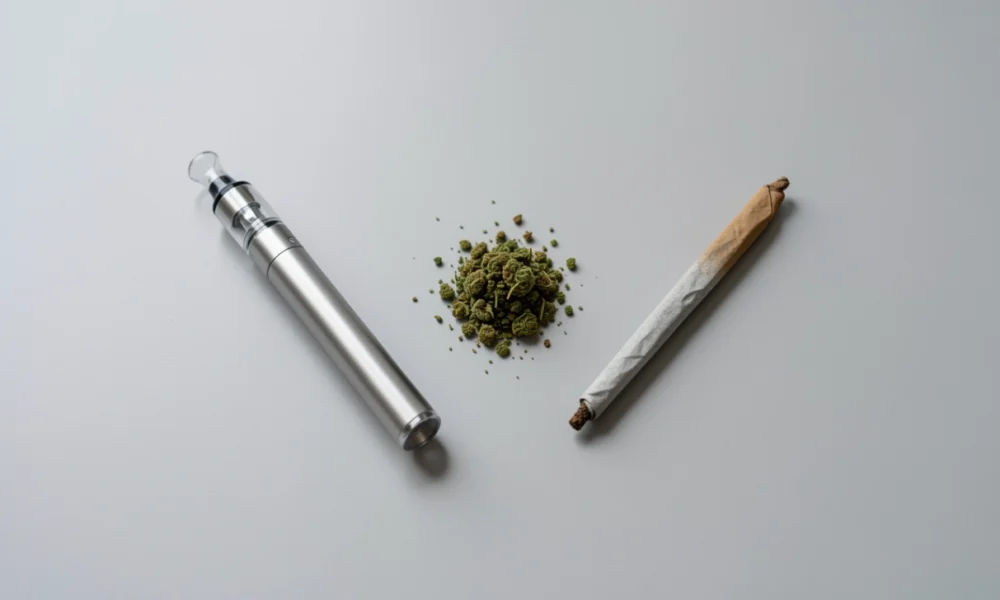
As cannabis legalization expands across various regions, consumers are faced with a growing number of consumption options. Two of the most prevalent methods are the modern disposable weed pen (vape pen) and the traditional cannabis joint. Each offers a distinctly different experience, influenced by technology, chemistry, and personal preference.
Table Of Content
This comparison provides a detailed analysis of disposable vape pens and traditional joints, examining their characteristics across several key factors to assist you in making an informed choice.
| Feature | Disposable Weed Pen | Traditional Joint |
|---|---|---|
| Primary Method | Vaporization of cannabis oil | Combustion of cannabis flower |
| Primary Components | Battery, heating element, pre-filled cartridge | Ground flower, rolling paper, filter (crutch) |
| Onset of Effects | Fast (within minutes) | Fastest (within seconds) |
| Discretion Level | High (minimal odor, compact) | Low (strong, distinct odor; smoke) |
| Convenience | High (no preparation, ready to use) | Moderate (requires rolling skill and supplies) |
| Cost Profile | Higher upfront cost per unit | Lower cost per use when buying flowers in bulk |
| Maintenance | None (disposable) | None (but requires ashtray or disposal of roach) |
| Environmental Impact | Higher (electronic waste, plastic, battery) | Lower (paper and plant matter are biodegradable) |
Disposable Weed Pens: Technology and Convenience
A disposable weed pen is a self-contained, battery-operated device pre-filled with cannabis oil. It functions by heating the oil to a temperature that creates an inhalable vapor without burning the material.
Ease of Use and Discretion
The primary advantage of a disposable vape pen is its simplicity. There is no need for grinding flower, rolling papers, or lighters. The device is activated either by a button or by inhaling, making it accessible for both new and experienced users. Its compact size and the fact that it produces vapor—which dissipates quickly and has a less persistent odor than smoke—make it a highly discreet option for use in various settings.
Dosage Control and Consistency
For users who require consistent dosing, particularly medical patients, vape pens offer a level of precision that joints cannot match. The cannabis oil is lab-tested for potency, and the cartridge’s total cannabinoid content (THC, CBD) is usually printed on the packaging. Each inhalation delivers a relatively predictable amount, allowing for more controlled consumption.
Flavor and Sensory Experience
The lower temperatures used in vaporization are gentler on the cannabis plant’s natural compounds, particularly terpenes, which are responsible for aroma and flavor. This process can preserve a wider range of delicate flavors, from citrus and pine to more earthy notes. Many manufacturers also reintroduce specific terpenes to create distinct flavor profiles not found in raw flower.
Practical Limitations: Disposal and Reliability
As the name implies, these pens are designed for single use. Once the oil is depleted or the battery dies, the entire unit must be discarded. This contributes to electronic waste. Additionally, users may occasionally encounter technical issues, such as a clogged mouthpiece or a battery that fails before the oil is fully used.
Traditional Joints: Ritual and Tradition
The traditional joint, consisting of ground cannabis flower rolled in combustible paper, remains a foundational method of consumption with a long cultural history.
Cost-Effectiveness and Customization
Purchasing cannabis flower in bulk and rolling it yourself is generally more economical over time than buying pre-filled cartridges. This method also offers greater control over the final product. Users can select specific strains of flower, mix different strains, and control the size and potency of each joint.
The Nature of the Experience
For many, the process of rolling a joint is an integral part of the experience. The tactile ritual of preparing the flower, shaping the paper, and sharing a lit joint in a social setting holds cultural and personal significance that a disposable device does not replicate. This social aspect can be a key differentiator for users who consume cannabis with others.
Immediate Effects and Bioavailability
Inhaling smoke from combustion delivers cannabinoids to the bloodstream through the lungs almost instantaneously. Some users report that the effects from a joint feel more immediate or “full-spectrum,” a phenomenon potentially linked to the variety of cannabinoids and compounds produced by combustion, though this also includes unwanted byproducts.
Practical Limitations: Odor and Preparation
The smoke from a joint has a strong, clinging odor that can be a concern for users seeking discretion. The smell lingers on clothing, hair, and in enclosed spaces. Furthermore, rolling a well-constructed joint requires practice and the necessary supplies (grinder, papers, filters), making it less convenient for spontaneous use compared to a ready-to-go vape pen.
Making the Choice: Key Considerations for Buyers
The decision between a disposable weed pen and a traditional joint ultimately depends on individual priorities and circumstances.
- If your priorities are discretion, convenience, and precise dosing, A disposable weed pen is likely the more suitable choice. It is ideal for on-the-go use, in situations where odor is a concern, and for those who value a clean, flavor-focused experience.
- If your priorities are cost-efficiency, ritual, and social sharing, A traditional joint may be the better option. It is well-suited for social settings, for users who enjoy the process of preparation, and for those who prefer the traditional characteristics of smoking flower.
Both methods offer valid ways to consume cannabis. Understanding the trade-offs in terms of user experience, cost, and practical considerations will guide you to the option that best aligns with your lifestyle.