

Why Timely Concrete Repairs Matter for Your Home
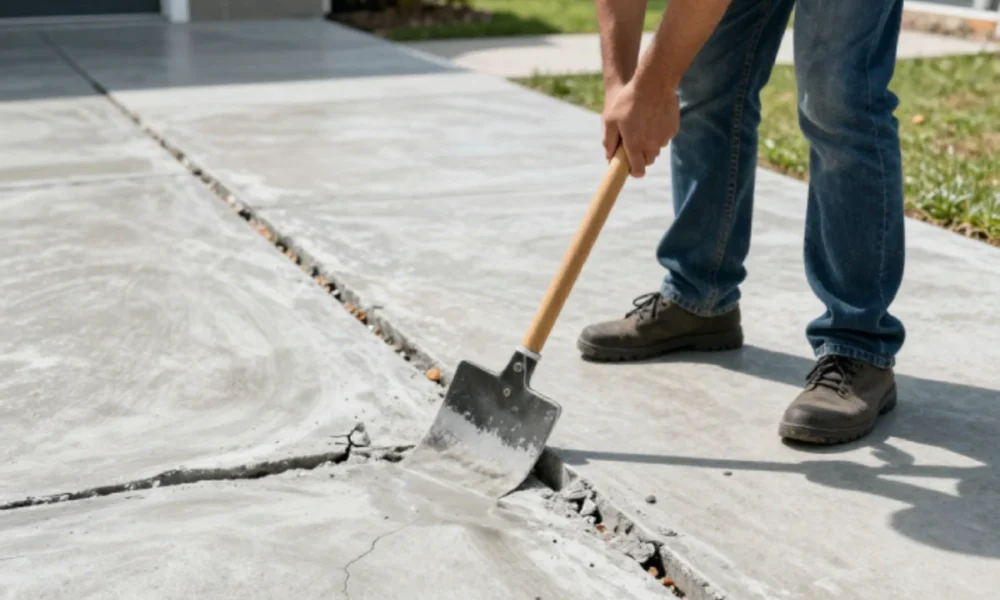
Why Timely Concrete Repairs Matter for Your Home? Concrete is one of the most widely used materials in residential construction — driveways, walkways, patios, foundations, and pool decks all rely on it. But concrete is not indestructible. Surface cracks, spalling, and slab settlement are common over time, and the longer these issues go unaddressed, the more expensive and complex the repairs become. Addressing concrete damage early protects your home’s structure, reduces safety risks, and keeps long-term costs manageable.
Table Of Content
Extended Lifespan of Concrete Surfaces
Concrete surfaces can last several decades with proper care, but neglected damage shortens that lifespan considerably. Cracks allow water to penetrate beneath the surface, where it weakens the sub-base and, over time, compromises the slab itself. In climates with seasonal temperature swings, freeze-thaw cycles accelerate this process — water trapped inside cracks expands when it freezes, widening the gap with each cycle.
Homeowners across Australia who call for concrete repairs in Brisbane, for example, understand that even minor surface defects can become structural problems when left untreated in humid or variable-weather conditions. Repairing cracks and resurfacing worn slabs early extends the working life of driveways, pathways, and outdoor entertaining areas, reducing the need for full replacement.
Preventive Maintenance: Catching Problems Early
Routine inspection of concrete surfaces is one of the most cost-effective forms of home maintenance. Small cracks and surface spalling are far less expensive to fix than the structural damage that develops when those issues are ignored. Water infiltration through unrepaired cracks can trigger mold growth, corrode steel reinforcement bars, and erode the soil beneath concrete slabs — leading to settlement and uneven surfaces.
Regular maintenance also keeps pathways and driveways compliant with local building codes and safety standards. In many areas, property owners are legally required to maintain accessible and hazard-free walkways. Unaddressed damage can result in non-compliance notices or fines, particularly in commercial settings.
Enhanced Safety
Cracked, uneven, or spalling concrete creates genuine physical hazards. Raised slab edges, sunken sections, and surface breaks are leading causes of trips and falls in residential settings, particularly in high-traffic areas like driveways, front paths, and pool surrounds.
Repairing these surfaces promptly eliminates the most common tripping hazards. It also helps prevent water pooling in low spots, which can create slippery conditions after rain. For households with young children or older residents, maintaining level, intact concrete surfaces is a straightforward way to reduce accident risk.
Protection Against Water Damage
Water is the primary enemy of concrete structures. When moisture infiltrates through surface cracks, it can reach and corrode the steel reinforcement inside the slab, causing the concrete to crack further as the corroding steel expands. Moisture that reaches a home’s foundation can lead to basement seepage, efflorescence, and in severe cases, structural movement.
Sealing cracks and repairing damaged sections as soon as they appear stops the infiltration cycle before it escalates. Lifting and leveling sunken slabs also helps restore proper drainage gradients, directing water away from the home’s foundation rather than toward it.
Improved Aesthetics and Curb Appeal
The visual condition of a home’s concrete surfaces contributes significantly to its overall appearance. Cracked driveways, stained patios, and deteriorating pathways signal neglect to visitors and prospective buyers alike. Conversely, well-maintained concrete surfaces — including decorative concrete, exposed aggregate driveways, pool decks, and outdoor pavers — give a property a cared-for, finished look.
Concrete features that benefit from timely maintenance include:
- Driveways and parking slabs
- Footpaths and entry walkways
- Patios and outdoor entertaining areas
- Pool decks and surrounds
- Retaining walls
- Concrete flooring and countertops
- Outdoor furniture bases and planters
Resurfacing or repairing these features restores their appearance without the cost of full replacement, and in many cases, the repaired surface can be finished with decorative coatings or color that improves on the original.
Increased Property Value
Visible concrete damage is one of the first things prospective buyers or property valuers notice. Cracked driveways, uneven paths, and deteriorating outdoor surfaces suggest deferred maintenance, which raises questions about the overall condition of the home. Addressing these issues before listing a property — or simply as part of regular upkeep — supports a stronger market position.
Well-maintained outdoor concrete surfaces contribute to a property’s curb appeal, one of the key factors buyers assess during inspections. Evidence of consistent maintenance, including freshly repaired and sealed concrete, signals to buyers that the home has been looked after throughout ownership.
Energy Efficiency Considerations
While less immediately obvious, cracks in concrete slabs and foundations can affect a home’s thermal performance. Gaps in concrete flooring or basement walls allow conditioned air to escape and unconditioned air to enter, placing additional load on heating and cooling systems. Sealing these gaps as part of concrete repair work contributes to a more consistent indoor temperature and can reduce energy consumption over time.
When to Call a Professional
Some concrete damage is suitable for DIY repair — hairline cracks and minor surface spalling can be addressed with readily available filler products and sealants. However, certain conditions warrant professional assessment:
- Wide or growing cracks (generally over 6mm) that suggest structural movement
- Sunken or uneven slabs caused by sub-base erosion or settlement
- Concrete near or attached to foundations, where underlying issues may be present
- Significant spalling affecting the reinforcement layer
- Water entry through basement or retaining walls
Professional concrete contractors can assess whether issues require crack injection, slab lifting, full resurfacing, or structural reinforcement — and can identify the underlying cause to prevent recurrence.
Summary
Addressing concrete damage promptly is one of the more straightforward and cost-effective things a homeowner can do. Minor cracks and surface defects are inexpensive to repair when caught early; left untreated, they can develop into structural problems requiring extensive and costly intervention. Regular inspection of driveways, pathways, patios, and foundations, combined with timely repair work, protects both the safety and long-term value of the property.