

Best Hair Transplant Clinics in Turkey: How to Choose the Right One
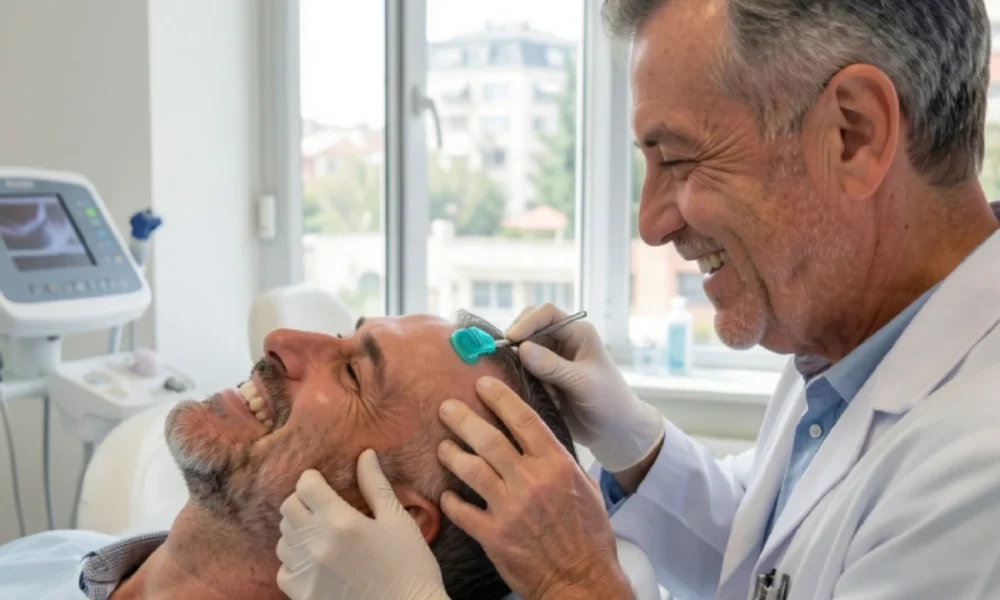
Best Hair Transplant Clinics in Turkey. Turkey has become the global reference point for hair restoration surgery, attracting hundreds of thousands of international patients each year. Istanbul alone hosts the largest concentration of hair transplant facilities in the world, with an estimated 1,000 or more procedures performed across the country every day. With that volume comes real variability in quality — which makes knowing how to evaluate and select a clinic one of the most important steps in the process.
Table Of Content
- Why Turkey Dominates the Global Hair Transplant Market
- Hair Transplant Methods Available in Turkey
- How to Find and Evaluate the Best Hair Transplant Clinic in Turkey
- 1. Verify Surgeon Credentials and Involvement
- 2. Check Independent Reviews and Ratings
- 3. Review Before and After Galleries
- 4. Request a Detailed Consultation — Before Traveling
- 5. Assess the Clinic’s Accreditations
- 6. Understand What’s Included in the Package
- 7. Visit the Clinic in Person If Possible
- What Does a Hair Transplant in Turkey Cost in 2026?
- Istanbul vs. Other Turkish Cities
- Celebrity Patients and Privacy Standards
- How Long Does the Process Take?
- Frequently Asked Questions
This guide covers how to find and assess the best hair transplant clinic in Turkey, why Turkey leads globally in this field, what procedures are available, what all-inclusive packages typically cost, and what questions to ask before committing.
Why Turkey Dominates the Global Hair Transplant Market
Turkey’s position as the world’s leading destination for hair restoration is the result of several converging factors, not just price.
Surgeon specialization and volume. Turkish surgeons — particularly those based in Istanbul — often perform thousands of procedures per year. This volume translates to a depth of technical experience that is difficult to match in markets where hair transplants represent only a fraction of a surgeon’s workload.
Cost structure. Hair transplant procedures in Turkey typically cost between €1,850 and €5,000 for an all-inclusive package, compared to $10,000–$15,000 or more in the United States or Western Europe. The price difference stems from the Turkish lira’s exchange rate, lower average surgical wages, strong domestic competition keeping margins narrow, and occasional government tax incentives tied to medical tourism revenue.
Regulatory oversight. Turkey’s Ministry of Health mandates accreditation for all clinics treating international patients. Facilities are inspected for hygiene standards, physician licensing, and procedural compliance. Leading clinics also hold international certifications such as JCI accreditation and ISO 9001 certification.
Medical infrastructure. Major hospitals and private clinics in Istanbul are equipped with the same instruments and techniques used in top European facilities, including Sapphire FUE blades, Choi Implanter Pens for DHI, and NeoGraft automated extraction systems.
Hair Transplant Methods Available in Turkey
Understanding the available techniques helps patients have more productive consultations with surgeons. The right method depends on graft count, donor density, hair type, and the degree of hair loss — typically assessed using the Norwood scale for men and the Ludwig scale for women.
FUE (Follicular Unit Extraction) is the most widely performed method. Individual follicular units are extracted from the donor area — usually the back and sides of the scalp, which are genetically resistant to DHT — and implanted into thinning or bald areas. FUE is generally preferred for cases requiring more than 2,000 grafts.
Sapphire FUE uses blades made from synthetic sapphire rather than steel to create the recipient channels. The sharper, smoother edges reduce tissue trauma, allow denser graft placement, and support faster healing. Many top-tier Istanbul clinics now treat Sapphire FUE as their standard rather than an upgrade.
DHI (Direct Hair Implantation) uses a Choi Implanter Pen to extract and implant follicles in a single continuous step, without pre-made channels. This method offers high precision for hairline design and is commonly recommended for cases under 2,000 grafts or for patients wanting to avoid shaving the recipient area.
FUE + DHI combination is used in mixed baldness patterns where different zones require different approaches. Cost is generally higher than either standalone method.
FUT (Follicular Unit Transplantation) involves removing a strip of scalp tissue from the donor area, then dissecting it into individual grafts under a microscope. While less common in Turkey than FUE-based methods, FUT remains the preferred option for patients needing maximum graft yield from a single session, particularly in repair cases.
PRP (Platelet-Rich Plasma) therapy is frequently combined with transplant procedures, especially for patients with androgenetic alopecia (male pattern baldness or female pattern hair loss). PRP uses concentrated growth factors from the patient’s own blood to support graft survival and slow ongoing native hair loss.
Non-surgical options — including oral Finasteride, topical Minoxidil, and low-level laser therapy — are sometimes recommended alongside or instead of surgery depending on the patient’s hair loss stage and candidacy.
How to Find and Evaluate the Best Hair Transplant Clinic in Turkey
1. Verify Surgeon Credentials and Involvement
The single most important factor is whether a qualified, licensed surgeon performs or directly supervises the critical steps: hairline design, incision making, and graft placement. In some clinics, technicians — not surgeons — carry out most of the procedure. Ask specifically who will make the incisions and design the hairline before booking.
Membership in the ISHRS (International Society of Hair Restoration Surgery) and ABHRS (American Board of Hair Restoration Surgery) certification are meaningful indicators of professional standing. ABHRS certification is particularly rigorous and rare among Turkish surgeons.
2. Check Independent Reviews and Ratings
Avoid relying solely on testimonials featured on clinic websites. Use independent platforms to read unfiltered patient feedback:
- Trustpilot
- Google Reviews
- RealSelf
- WhatClinic
- ProvenExpert
Look specifically for reviews that describe the consultation process, whether the surgeon was present throughout, recovery support, and the 12–18 month result — not just the day of surgery.
3. Review Before and After Galleries
Reputable clinics maintain extensive, unedited before-and-after photo records covering results from 6 months to 18 months post-procedure. Look for cases with similar hair type, Norwood stage, and graft count to your own situation. Sparse or suspiciously uniform galleries are a caution sign.
4. Request a Detailed Consultation — Before Traveling
Most established clinics offer free remote consultations where you submit photos for a preliminary graft estimate and method recommendation. This is a useful screening step. A clinic that provides detailed, individualized feedback — rather than a generic quote — is more likely to deliver personalized surgical planning on the day.
5. Assess the Clinic’s Accreditations
Confirm that the clinic holds a valid license from Turkey’s Ministry of Health for medical tourism. JCI accreditation and ISO 9001 certification provide additional assurance of procedural and hygiene standards. Hospital-based facilities (such as those within Medicana’s network) also offer access to emergency care teams and full anesthesiology support.
6. Understand What’s Included in the Package
All-inclusive packages at reputable Istanbul clinics typically cover:
- The procedure itself (unlimited grafts or a specified graft count)
- Accommodation in a partner hotel (usually 3–4 nights)
- VIP airport and clinic transfers
- Pre-operative blood tests and scalp analysis
- Post-operative medications and hair wash
- Aftercare follow-up over 12–18 months
Always confirm what is excluded. Some clinics charge separately for PRP, second-day washing, or premium accommodation upgrades.
7. Visit the Clinic in Person If Possible
If you are already in Istanbul or planning a preliminary trip, schedule an in-person consultation. This allows you to assess the facility’s hygiene, equipment, and how the staff communicates — including their English-language capability.
What Does a Hair Transplant in Turkey Cost in 2026?
Pricing structures vary between clinics. Some charge per graft, while others offer flat-rate all-inclusive packages regardless of graft count. As of the most recent verified data:
Clinics with stronger international reputations, longer track records, or surgeon-only operative teams tend to be priced toward the upper end. The cost of achieving equivalent results in the UK, US, or Canada typically exceeds these figures by 60–85%.
For patients considering travel costs, the financial break-even point versus UK pricing is approximately 520 grafts. Most patients require 2,500–3,500 grafts (consistent with Norwood stage 4), which makes Turkey meaningfully more cost-efficient for the majority of cases even after flights and accommodation.
Istanbul vs. Other Turkish Cities
The vast majority of hair transplant activity is concentrated in Istanbul, which hosts the country’s most experienced surgeons, the highest density of accredited facilities, and the most developed medical tourism infrastructure. Antalya is a secondary option for patients who prefer a coastal recovery environment; Dr. Hakan Doganay’s clinic is one of the more recognized names there. Ankara and Izmir also have established facilities, though the breadth of specialist experience is narrower than Istanbul.
Celebrity Patients and Privacy Standards
Istanbul’s top clinics have long attracted high-profile international patients partly because of the privacy protocols built into their service model. Standard VIP arrangements include discreet airport pickup, direct transfer to a partner hotel, and private clinic access with no shared waiting areas. Patients can complete the entire process — arrival, procedure, and departure — within 3–4 days without public exposure. This discretion, combined with the results quality at leading facilities, has made Istanbul the preferred destination for many well-known figures seeking hair restoration.
How Long Does the Process Take?
Most patients stay in Turkey for 3–4 nights. A typical timeline looks like this:
- Day 1: Arrival, hotel check-in, pre-operative consultation and blood tests
- Day 2: The transplant procedure (usually 6–10 hours for larger graft sessions)
- Day 3: First post-operative hair wash at the clinic, post-op instructions provided
- Day 4: Departure
Full results are visible at 12–18 months. Transplanted follicles typically shed 2–6 weeks after surgery (shock loss), enter a resting phase, and then begin permanent regrowth. This is a normal part of the healing cycle.
Frequently Asked Questions
Is hair transplant in Turkey permanent? Yes. Follicles are harvested from the DHT-resistant donor zone at the back and sides of the scalp. These follicles retain their resistance to balding hormones after transplantation and continue growing for life. Native hair in untreated areas may continue to thin over time, which is why surgeons often recommend PRP or Finasteride as long-term maintenance.
Is it safe to get a hair transplant in Turkey? Safety depends on clinic selection. Procedures performed in Ministry of Health-accredited facilities by licensed surgeons carry a risk profile comparable to equivalent procedures in Western Europe. The main risks in the Turkish market come from underregulated clinics using unqualified technicians. Checking accreditations and surgeon involvement before booking substantially reduces that risk.
How do I know if I’m a good candidate? Candidacy is assessed during a scalp and donor density analysis, which reputable clinics offer remotely before your visit. Key factors include the extent of hair loss (Norwood or Ludwig stage), donor hair density and quality, age, and whether hair loss has stabilized. Patients with active, rapidly progressing hair loss are sometimes advised to wait or use medical therapy first.
What is the difference between FUE and DHI? FUE involves extracting follicles and then implanting them into pre-made channels in the recipient area. DHI extracts and implants in a single step using the Choi Pen, without pre-made channels. DHI generally allows more precise angle and depth control, making it favored for hairline work and smaller sessions. FUE is more efficient for high graft-count procedures.
What should I watch out for when choosing a clinic? Red flags include: no clearly named operating surgeon, unusually low prices (under €1,500 all-inclusive), pressure to book without a consultation, absence of independent reviews, and packages that do not specify who performs each step of the procedure.