

Wicker Lounge Cushions: Material Selection, Styling, and Maintenance Guide
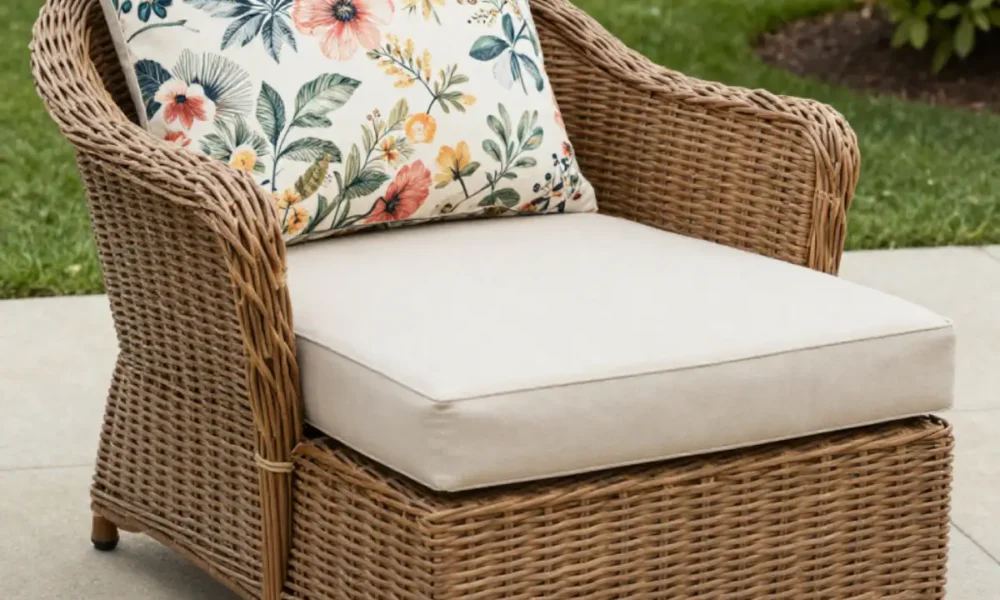
Wicker lounge chairs offer a classic outdoor seating option, but cushions make the difference between an attractive piece of furniture and a genuinely comfortable retreat. The right cushions provide necessary support, protect the wicker surface, and withstand outdoor conditions throughout the seasons.
Table Of Content
Beyond comfort, cushions allow you to customize your space with colors and patterns that match your existing outdoor décor. Understanding material properties, design options, and proper care helps ensure your investment remains functional and visually appealing.
Weather-Resistant Fabric Options
Outdoor cushions face constant exposure to sunlight, moisture, and temperature fluctuations. Selecting appropriate materials determines how well cushions perform over time.
Sunbrella Fabric
This solution-dyed acrylic resists UV damage and maintains color integrity through extended sun exposure. The material naturally repels mold and mildew, making it suitable for humid conditions.
Olefin
This synthetic fiber dries quickly after rain and resists color fading from sunlight. Its hydrophobic properties prevent water absorption, reducing the risk of mildew growth.
Polyester
Standard polyester offers softness at an accessible price point. For outdoor applications, select polyester specifically treated with water-resistant coatings and UV inhibitors.
Textilene
This PVC-coated polyester mesh combines strength with moisture resistance. The open weave structure promotes air circulation and quick drying, while the coating protects against staining.
Each fabric type offers different balances of durability, comfort, and maintenance requirements. Consider your local climate and how frequently you use your outdoor space when making a selection.
Design and Pattern Choices
Cushion appearance affects the overall character of your outdoor area. Common design approaches include:
Solid Colors
Single-color cushions in neutral tones (beige, gray, charcoal) create a versatile foundation that coordinates with various accessories. Brighter options (coral, turquoise, emerald) add visual interest.
Striped Patterns
Horizontal stripes suggest a nautical or traditional aesthetic. Wide stripes create a more contemporary feel, while narrow stripes appear more formal.
Botanical and Floral Prints
Plant-based patterns complement natural surroundings and integrate well with garden settings. These designs range from realistic depictions to stylized interpretations.
Geometric Designs
Angular patterns and abstract shapes provide a modern counterpoint to wicker’s traditional texture. These work well in minimalist or contemporary outdoor spaces.
When selecting patterns, consider the scale of the print relative to the cushion size and the visual complexity of surrounding elements.
Measuring for Proper Fit
Accurate measurements ensure cushions stay in place and look proportional to the furniture.
Seat Width
Measure the distance across the seat from side to side at the widest point.
Seat Depth
Measure from the front edge of the seat to the point where it meets the backrest.
Back Height
If adding back cushions, measure from the seat surface to the top of the backrest.
Cushion Thickness
Thickness typically ranges from 2 to 6 inches. Thinner cushions (2-3 inches) maintain a sleeker profile, while thicker options (4-6 inches) provide more padding. Consider the furniture’s proportions and your comfort preferences.
Recording measurements in both inches and centimeters helps when comparing product specifications from different manufacturers.
Maintenance and Care Practices
Regular maintenance extends cushion lifespan and preserves appearance.
Routine Cleaning
Remove loose dirt and debris with a soft brush weekly. For spot cleaning, use mild dish soap diluted in water, then rinse thoroughly and allow to air dry completely.
Storage and Protection
Store cushions indoors or in a ventilated storage container during periods of non-use or extended inclement weather. If storage isn’t practical, use breathable protective covers that prevent moisture accumulation.
Even Wear Distribution
Flip and rotate cushions every few weeks to distribute compression and sun exposure evenly across all surfaces.
Mold and Mildew Management
If mildew appears, address it immediately. Mix equal parts white vinegar and water, apply to affected areas, let sit for 15 minutes, then scrub gently and rinse. Allow cushions to dry completely in direct sunlight.
Tie and Fastener Checks
Inspect attachment ties or fasteners periodically. Replace worn ties to prevent cushions from sliding or blowing away in wind.
Following these practices helps maintain both the appearance and structural integrity of your cushions across multiple seasons.
Final Considerations
Selecting appropriate wicker lounge cushions involves balancing material performance, aesthetic preferences, and maintenance capabilities. Weather-resistant fabrics protect against common outdoor challenges, while thoughtful design choices reflect personal style. Proper measurement ensures a tailored appearance, and consistent care preserves both comfort and visual appeal.
Quality cushions transform basic wicker furniture into a comfortable outdoor space suitable for extended relaxation. By understanding the relationship between material properties and environmental conditions, you can make informed decisions that support both immediate comfort and long-term durability.