

Benefits of Educational Games: Types and How to Choose (2026 Guide)
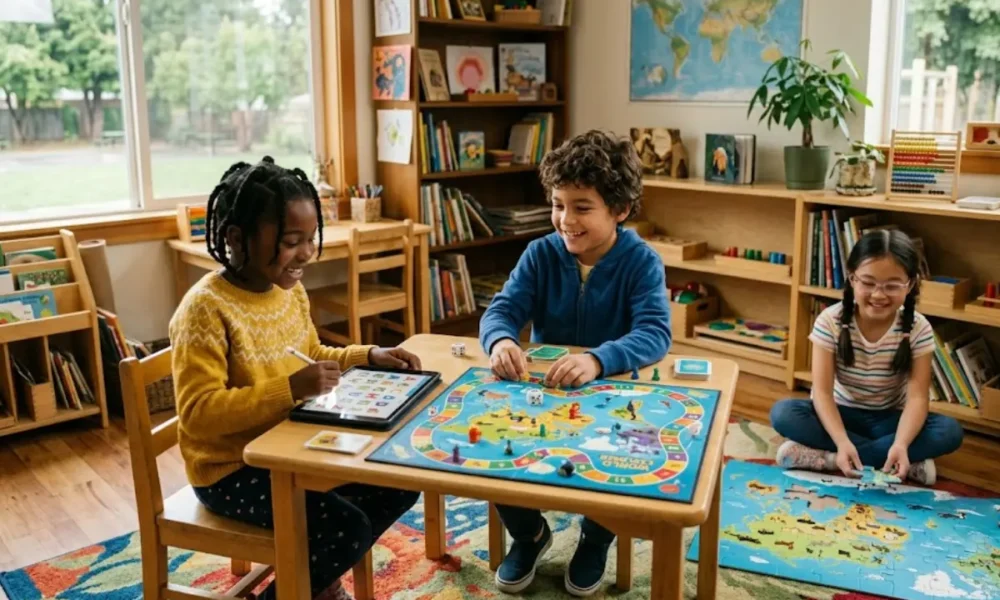
Education is no longer confined to textbooks and blackboards. Today, both parents and teachers are searching for ways to teach children that are not only effective but genuinely engaging. This is where educational games come in. Understanding the benefits of educational games helps parents and teachers see why this approach transforms learning from a tedious chore into an exciting experience. In this article, we’ll explore these benefits in depth, the different types of games available, and a practical guide to choosing the right ones for any child or classroom.
Table Of Content
- Why Educational Games Matter: The Science-Backed Benefits
- How Game-Based Learning Skyrockets Engagement and Motivation
- A Safe Space to Fail: Building Resilience and a Growth Mindset
- The Power of Instant Feedback for Faster Learning
- Enhancing Problem-Solving and Critical Thinking Skills
- Boosting Memory, Knowledge Retention, and Academic Test Scores
- Promoting Active Participation, Teamwork, and Collaboration
- Exploring the Different Types of Educational Games
- By Medium: Digital, Physical, and Hybrid Games
- By Skill Focus: Matching the Game to the Learning Outcome
- How to Choose the Right Educational Games: A Practical Guide
- Step 1: Define Your Learning Objectives
- Step 2: Match the Game to Age, Grade, and Developmental Stage
- Step 3: Evaluate Game Mechanics: Feedback, Adaptivity, and Ethical Design
- Step 4: Finding the Balance: Screen Time Quality vs. Quantity
- Step 5: Read Expert Reviews, Test Free Versions, and Ask Fellow Educators
- Step 6: Plan for Seamless Integration into Your Lesson Plans or Family Routine
- Overcoming Common Obstacles and Misconceptions
- Resistance from Parents or Administrators: “It’s Just a Game”
- Budget Constraints? Discovering High-Quality Free Educational Games
- Managing Logistics, Storage, and Classroom Management
- Preventing “Learning Fatigue”: How to Rotate Games Effectively
- FAQs
- Do educational video games really work, and what does the research say?
- What’s the difference between gamification and true game-based learning?
- Which type of game is better for learning: board games or digital apps?
- Can educational games help a child with ADHD, dyslexia, or special needs?
- Are there any downsides or risks to using educational games?
- Conclusion: Transform Learning into an Adventure
Why Educational Games Matter: The Science-Backed Benefits
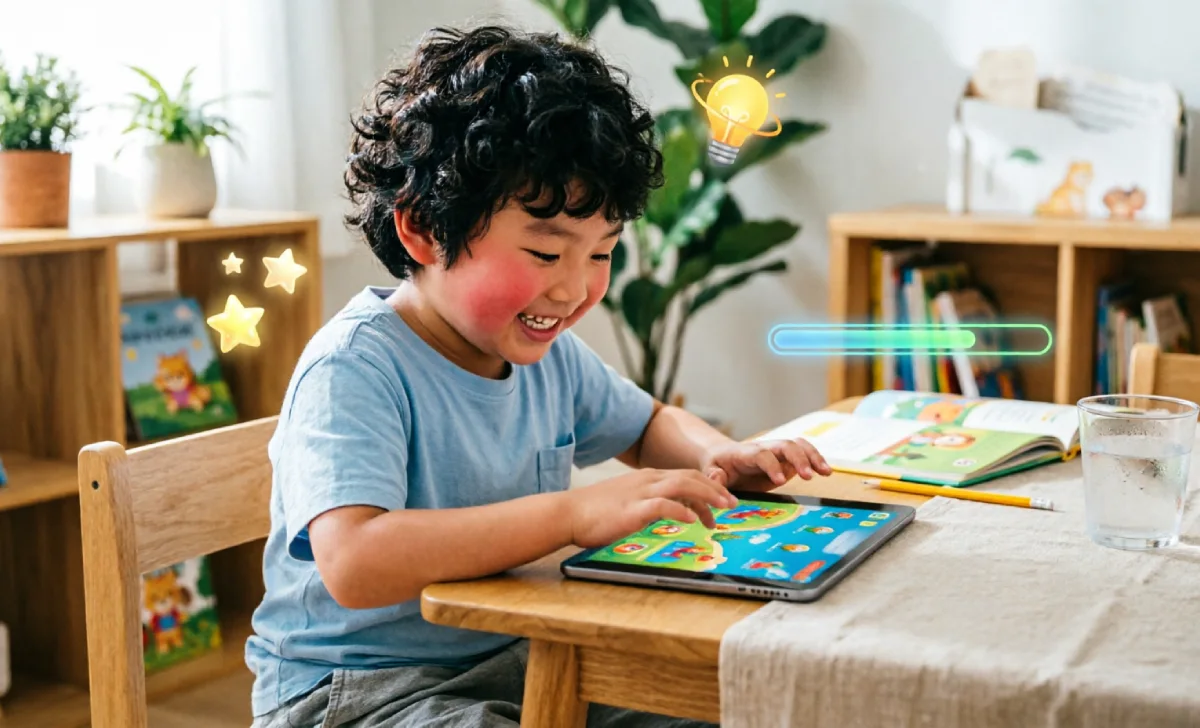
Research consistently shows that game-based learning outperforms traditional teaching methods in several key ways. From boosting motivation to strengthening memory, the advantages go far beyond simple entertainment.
How Game-Based Learning Skyrockets Engagement and Motivation
When children are absorbed in a game, their attention naturally increases. Rewards, points, levels, and challenges built into games encourage kids to keep trying, which boosts both the speed and enjoyment of learning. Unlike a worksheet, a game gives children a reason to want to continue, turning practice into something they look forward to rather than something they’re forced to do.
A Safe Space to Fail: Building Resilience and a Growth Mindset
Games give children a safe environment to fail without real-world consequences. When a child fails a level, they simply try again — and this process builds persistence and a positive, growth-oriented mindset. Over time, children learn that mistakes are part of progress, not something to fear, which carries over into how they approach challenges in school and life.
The Power of Instant Feedback for Faster Learning
Unlike traditional classrooms, where feedback might arrive days later on a graded test, games provide immediate results. A child instantly knows whether their answer was right or wrong, which makes the learning process faster and far more effective. This tight feedback loop allows children to correct misunderstandings in real time instead of reinforcing errors.
Enhancing Problem-Solving and Critical Thinking Skills
Most educational games include problem-solving stages built directly into their mechanics. Whether it’s figuring out a puzzle, planning a strategy, or navigating an obstacle, children are constantly exercising logical thinking and decision-making skills without even realizing they’re doing “schoolwork.”
Boosting Memory, Knowledge Retention, and Academic Test Scores
Studies show that information learned through games tends to stick longer, since it involves emotional and hands-on engagement rather than passive memorization. Because the brain forms stronger connections when learning is tied to an experience, children often recall game-based lessons well after the test is over.
Promoting Active Participation, Teamwork, and Collaboration
Group games teach children to work together, communicate, negotiate, and learn from one another — skills that are essential for social development and that are difficult to teach through lectures alone.
Exploring the Different Types of Educational Games
Educational games can be categorized in different ways depending on how you look at them — by the medium they use or by the specific skill they target.
By Medium: Digital, Physical, and Hybrid Games
Digital Games (Educational Apps and Online Platforms): Digital games include simulations, arcade-style quizzes, and adventure games. Their advantage is accessibility anywhere and instant feedback, though there’s a risk of increased screen time if not monitored carefully.
Tangible Tactile Learning: Board and Card Games: Geography board games and vocabulary card games let children learn through hands-on interaction, which reinforces memory retention and encourages face-to-face social interaction with siblings, classmates, or parents.
Kinesthetic and Physical Games for Active Minds: Scavenger hunts, role-playing activities, and hands-on science experiments keep children physically active while they learn, which is especially valuable for kinesthetic learners who struggle to sit still for long periods.
By Skill Focus: Matching the Game to the Learning Outcome
- Puzzle and Logic Games sharpen creative problem-solving abilities and patience.
- Trivia and Quiz Games support quick learning and recall of facts.
- Storytelling Games expand imagination, language skills, and empathy.
- Matching and Memory Games improve focus and cognitive processing speed.
- Cooperative Games build teamwork, communication, and social skills.
- STEM and Coding Games equip children with future-ready digital literacy and computational thinking.
How to Choose the Right Educational Games: A Practical Guide
Choosing the right game is just as important as using one. Here is a step-by-step approach to make sure your choice actually delivers results.
Step 1: Define Your Learning Objectives
First, decide what your goal is. Are you looking for pure entertainment, or real learning outcomes aligned with curriculum? This is the key question that determines whether a game is truly educational or just entertainment dressed up as one.
Step 2: Match the Game to Age, Grade, and Developmental Stage
Every age group has different cognitive development needs. Simple matching games suit younger children, while older kids benefit more from complex strategy-based games that challenge planning and reasoning skills.
Step 3: Evaluate Game Mechanics: Feedback, Adaptivity, and Ethical Design
A good app should offer instant feedback, adapt its difficulty to the child’s skill level, and follow ethical design principles — free from unnecessary ads, in-app purchases, or addictive, manipulative mechanics aimed at keeping kids glued to the screen.
Step 4: Finding the Balance: Screen Time Quality vs. Quantity
Quality matters more than quantity here. Limited but high-quality daily screen time produces far better learning outcomes than unstructured, unlimited use with little educational value.
Step 5: Read Expert Reviews, Test Free Versions, and Ask Fellow Educators
Before buying, read expert reviews, try free versions or trials, and ask other teachers or parents for their honest opinions and firsthand experience with the game.
Step 6: Plan for Seamless Integration into Your Lesson Plans or Family Routine
Don’t treat a game as a standalone activity — integrate it into your everyday curriculum or family routine so it reinforces, rather than distracts from, ongoing learning goals.
Overcoming Common Obstacles and Misconceptions
Resistance from Parents or Administrators: “It’s Just a Game”
Many parents and administrators still view games as mere entertainment. Citing research, sharing measurable results, and demonstrating clear learning objectives are effective ways to shift this perception over time.
Budget Constraints? Discovering High-Quality Free Educational Games
A limited budget shouldn’t be a barrier. Many high-quality free games and apps are available today that deliver excellent educational results at little to no cost.
Managing Logistics, Storage, and Classroom Management
Physical games can create storage and classroom management challenges. Organized storage boxes, labeled bins, and a clear rotation schedule can solve this problem without much added effort.
Preventing “Learning Fatigue”: How to Rotate Games Effectively
Constant use of the same game can bore children and reduce its effectiveness over time. Rotating games regularly — perhaps every few weeks — helps maintain interest, novelty, and continued engagement.
FAQs
Do educational video games really work, and what does the research say?
Yes, numerous studies confirm that well-designed games improve learning outcomes, particularly when the game mechanics are closely tied to the intended learning objective.
What’s the difference between gamification and true game-based learning?
Gamification adds elements like points, badges, and leaderboards to traditional learning activities, while game-based learning embeds the learning itself within the actual structure and mechanics of the game.
Which type of game is better for learning: board games or digital apps?
Both have their own advantages. Board games boost social interaction and communication, while digital apps allow learning at a personalized pace with instant feedback. The best results often come from combining both.
Can educational games help a child with ADHD, dyslexia, or special needs?
Yes, many games are specifically designed to improve focus, attention span, and reading fluency, and can be genuinely beneficial for children with special learning needs when chosen thoughtfully.
Are there any downsides or risks to using educational games?
Overuse or low-quality games can waste time, increase unnecessary screen exposure, and in some cases create dependency on rewards rather than genuine interest in the subject, so balanced and mindful use is essential.
Conclusion: Transform Learning into an Adventure
Educational games are more than just a source of fun — they are a powerful, research-backed tool for making learning more effective, engaging, and memorable. With clear objectives, age-appropriate selection, and balanced use, these games can play a significant role in a child’s academic growth and long-term love of learning. If you’re looking for the right educational games for your child or classroom, start exploring curated lists today and kick off your learning journey.